





ABOUT US
We believe in celebrating the journey of parenthood with much ease, love,
care and the highest standards of quality.
We offer a variety of baby sale discounts and promotions
to help you find the right infant products for your needs at the best prices possible.
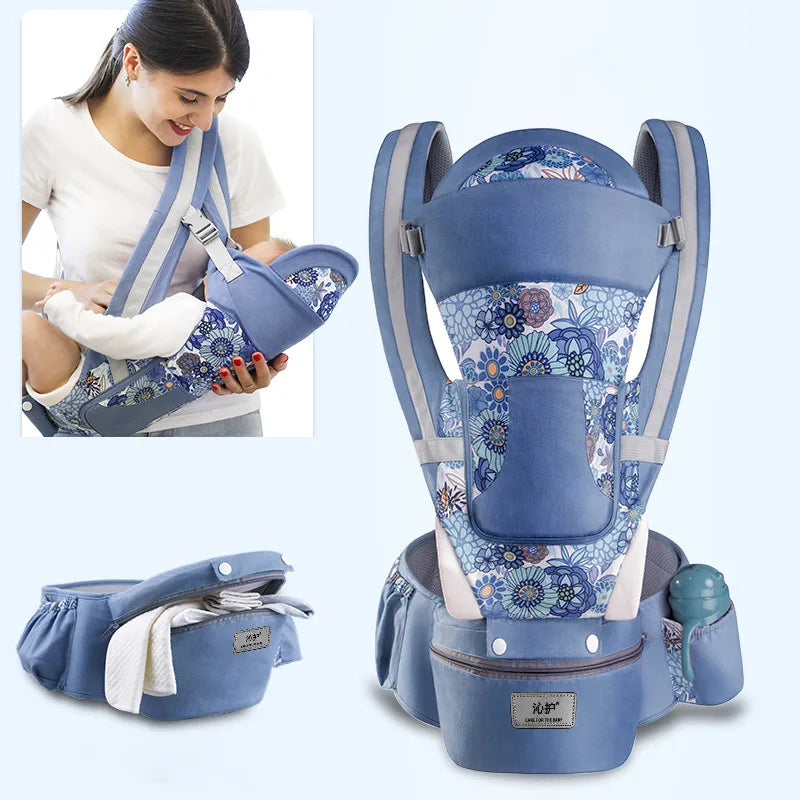
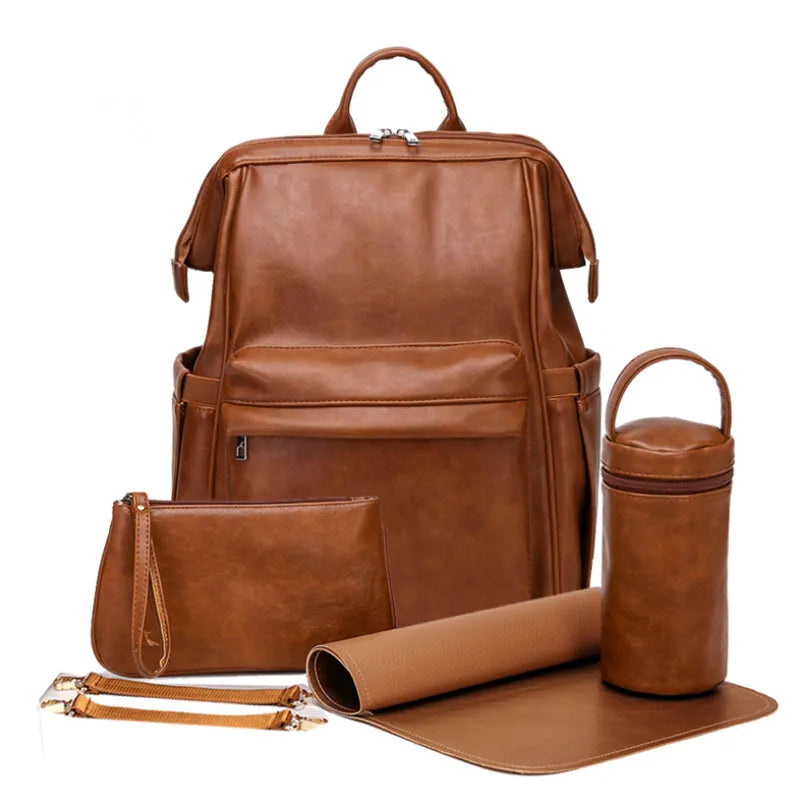
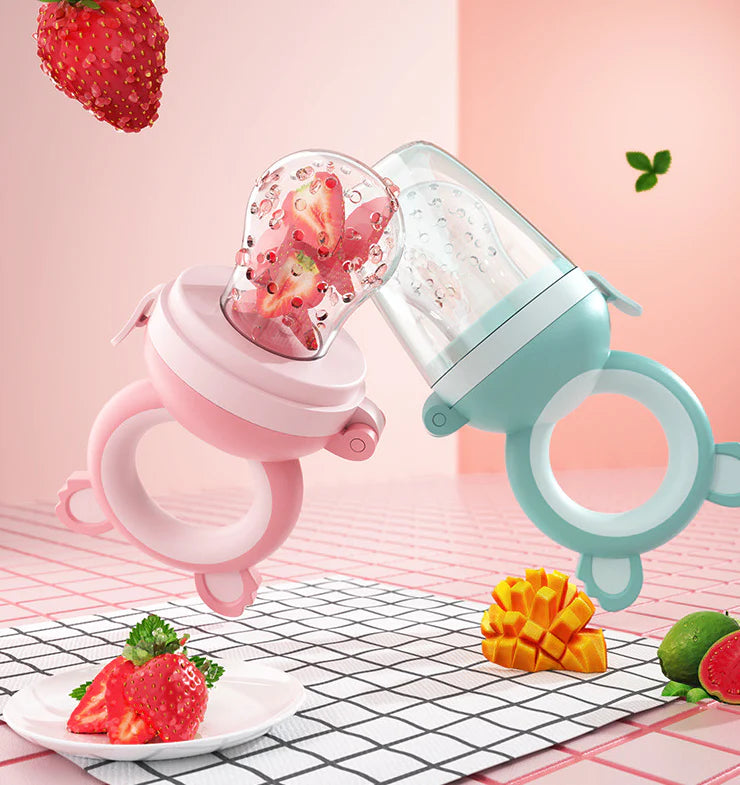
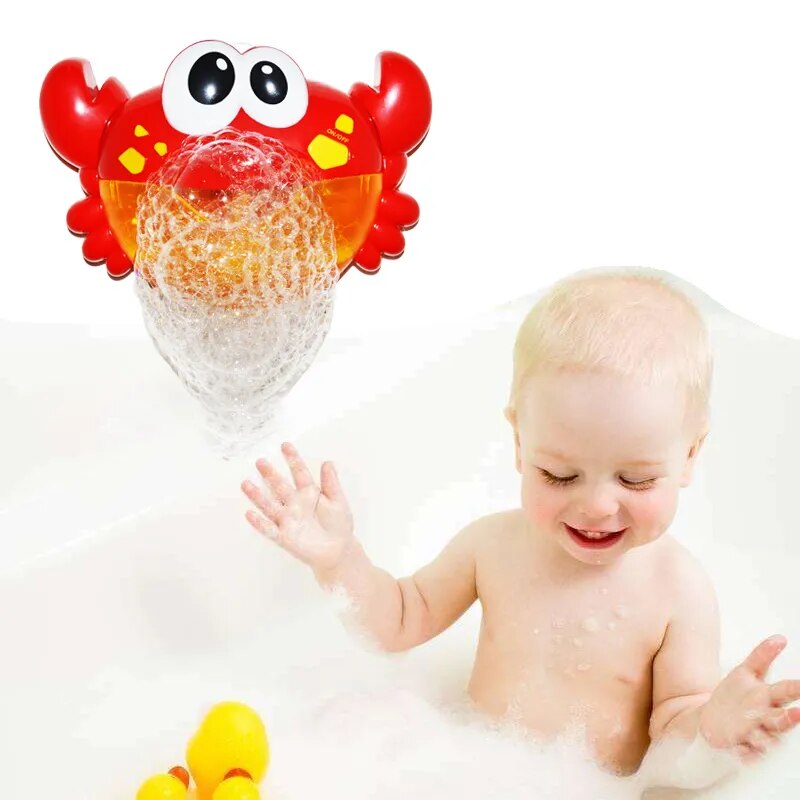
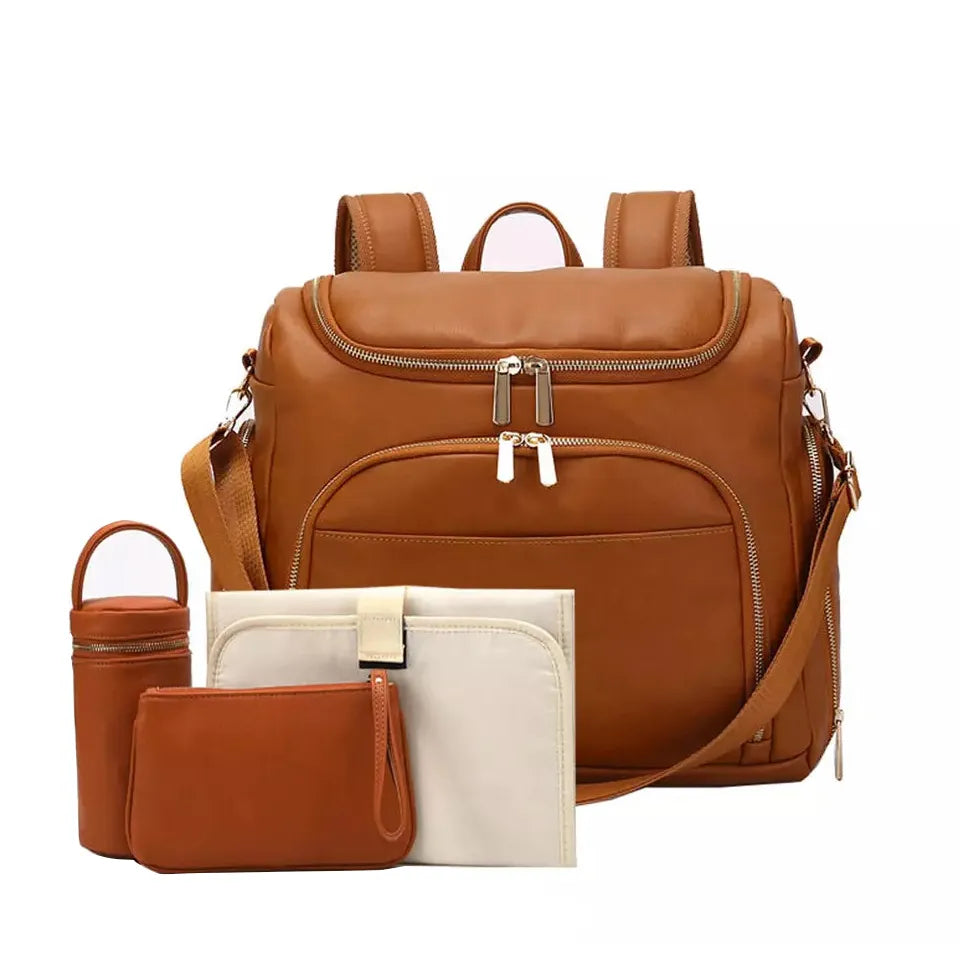

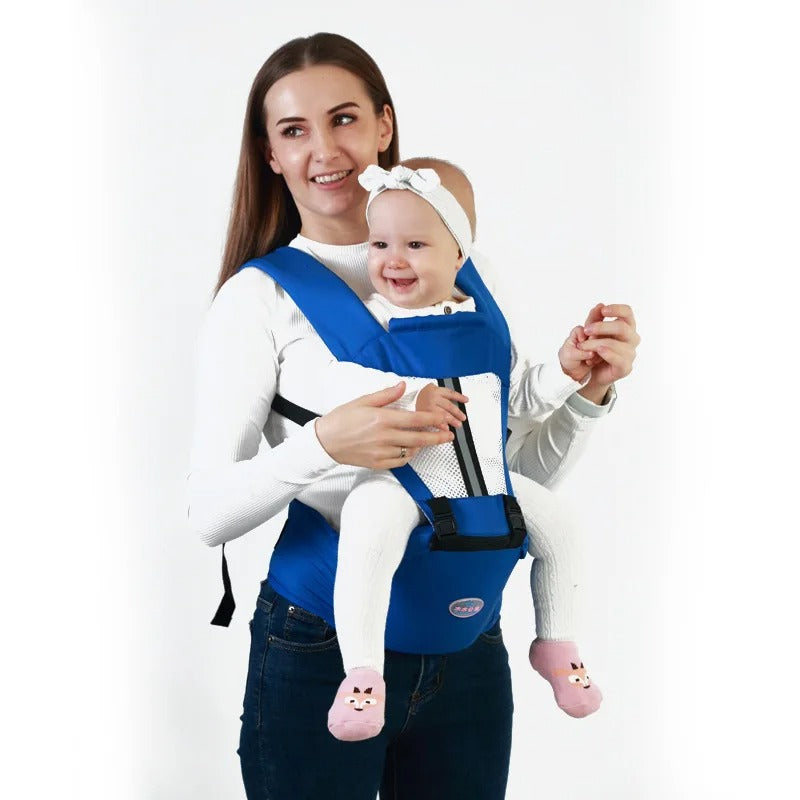
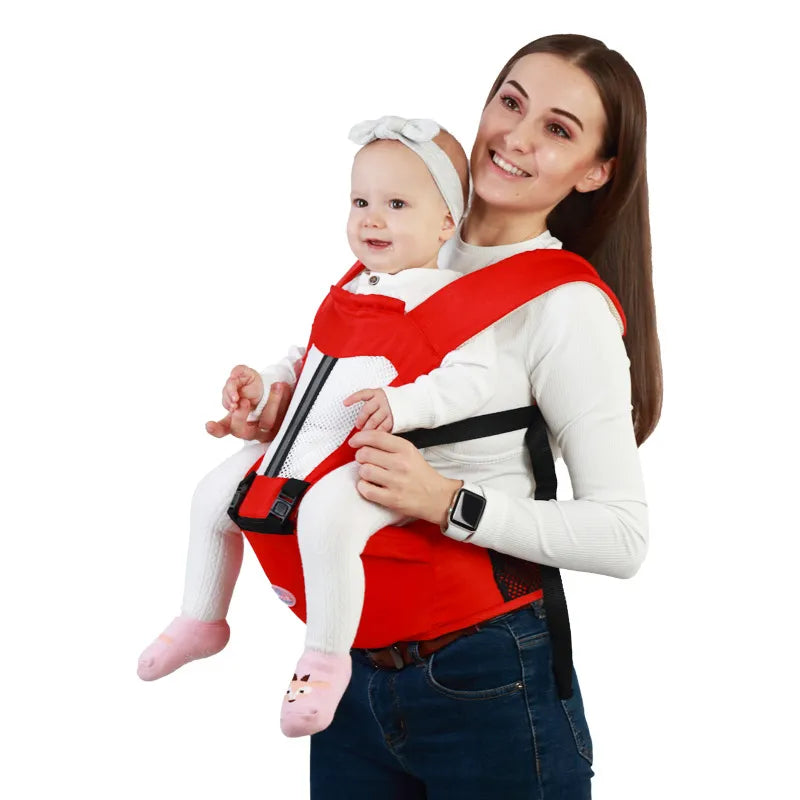
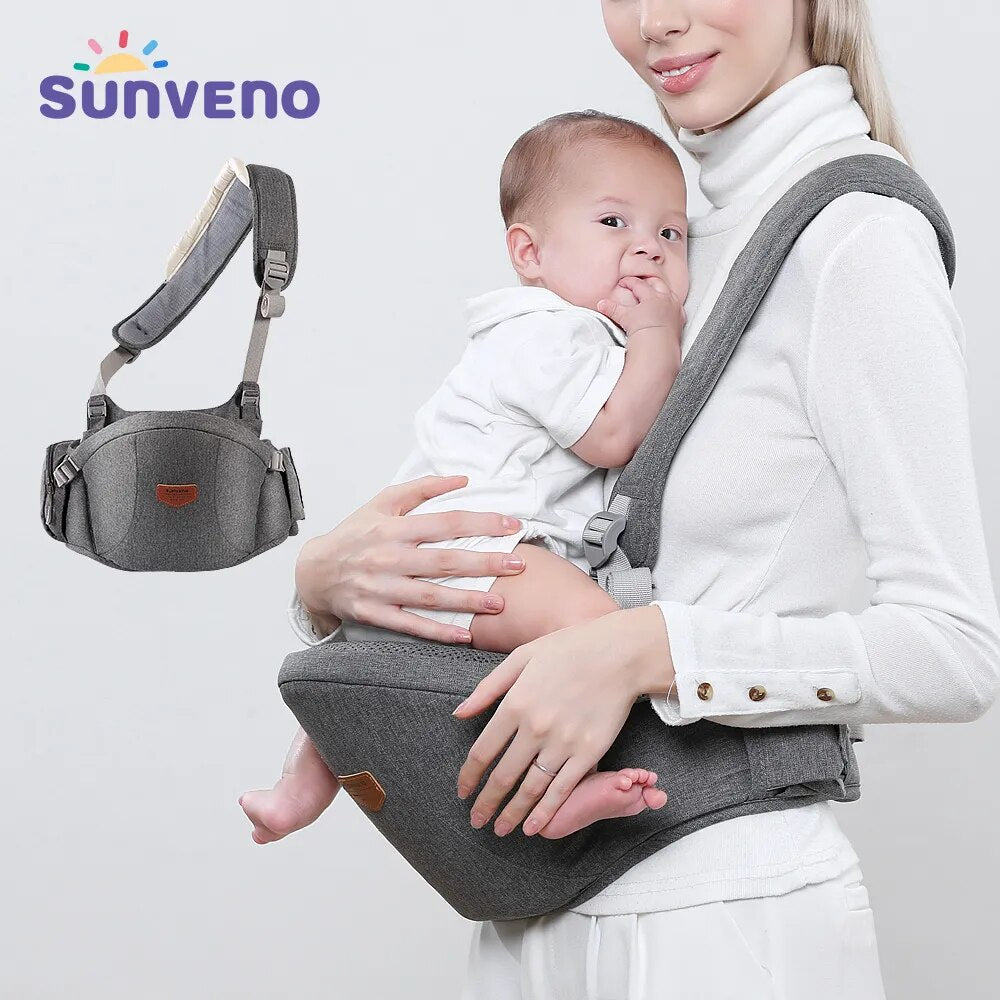
CARRIER
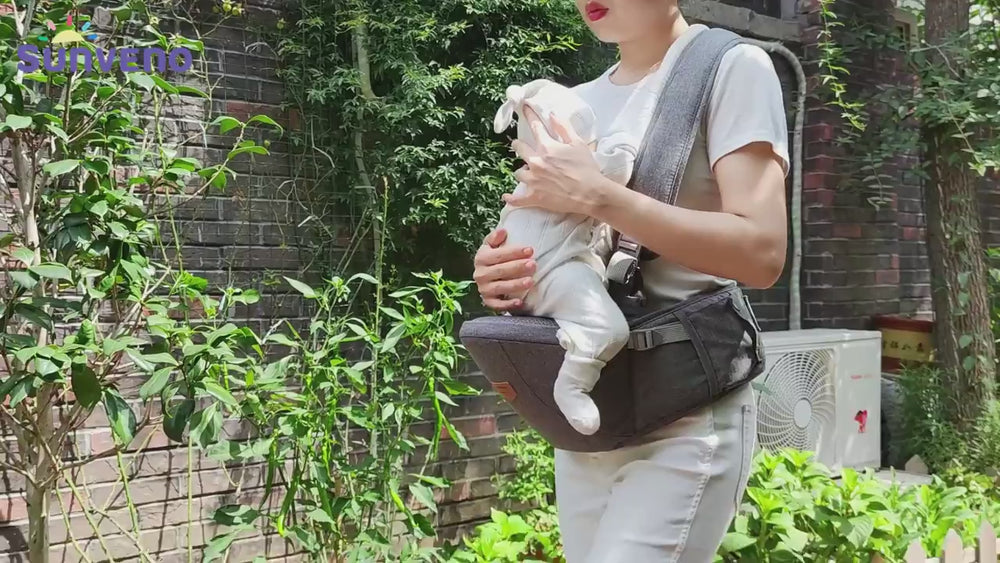
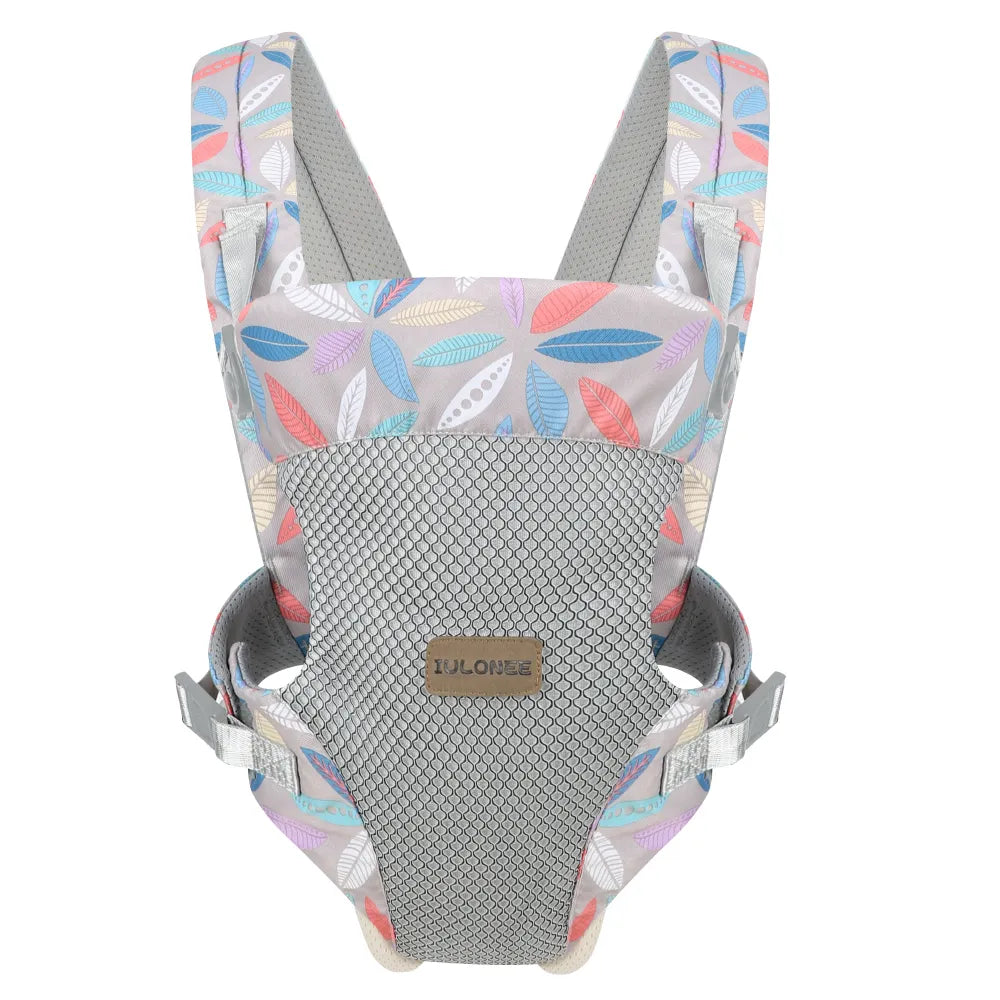
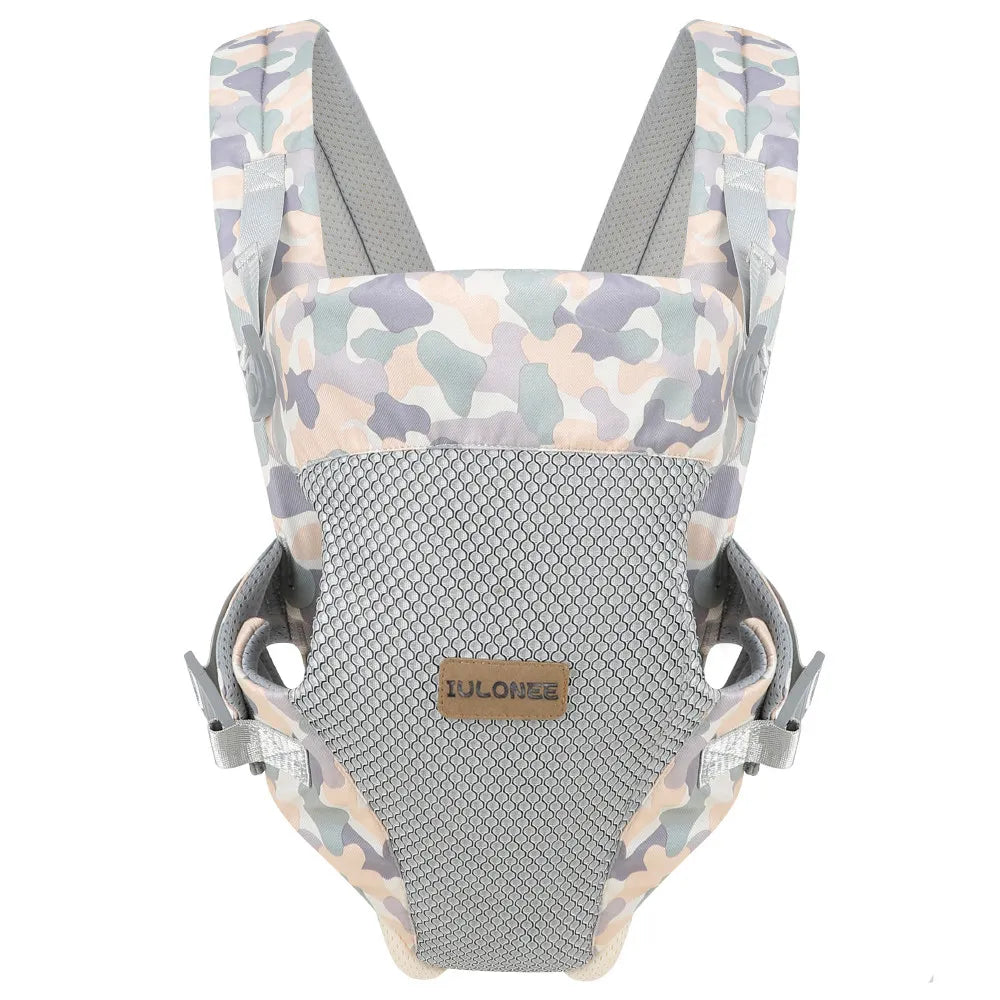
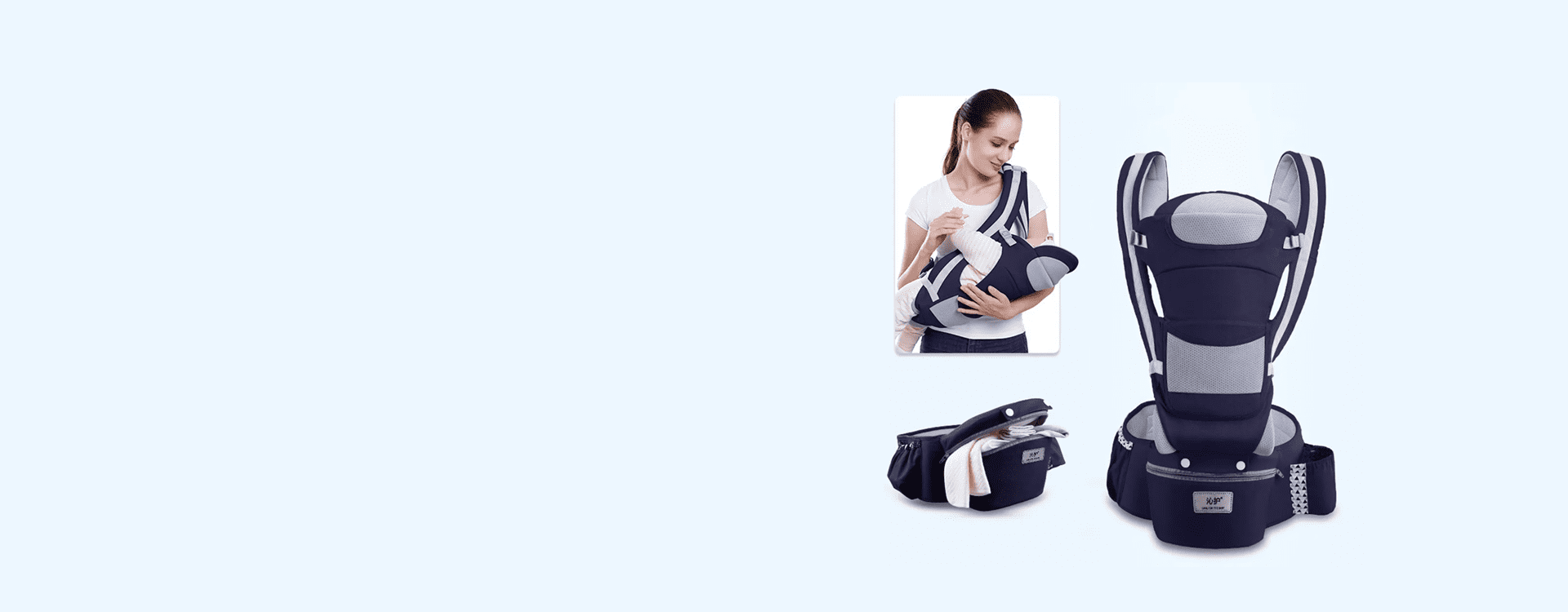
15-IN-1 ERGONOMIC
From front-facing to backpack, hip carry to inward-facing & lots more, WonderCarrier is designed to suit every stage of your toddler's development, ensuring comfort and safety on every adventure.
BABY WEANING
View all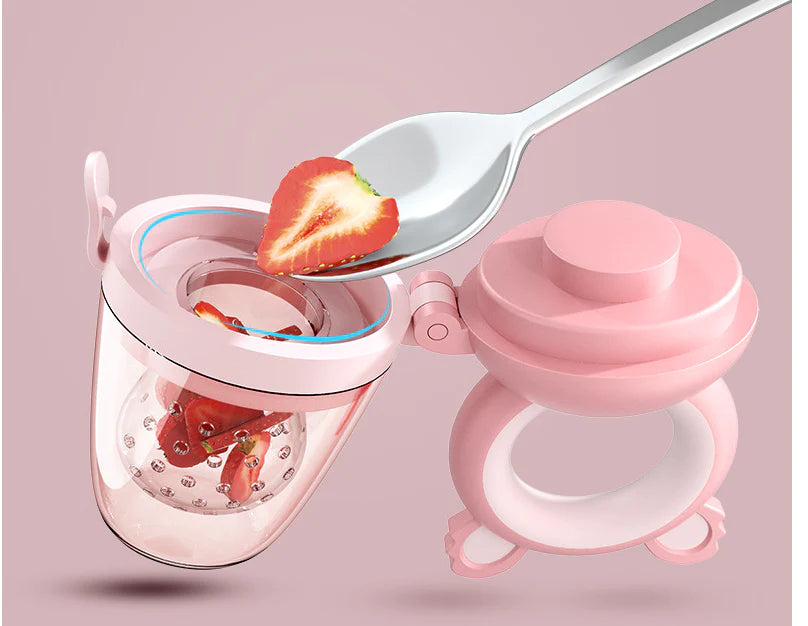
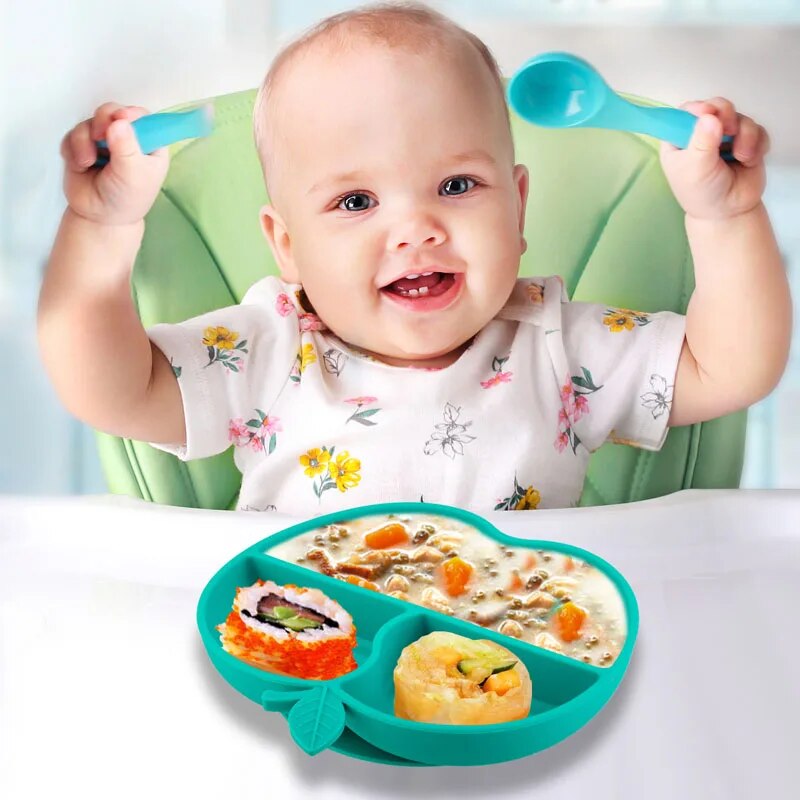
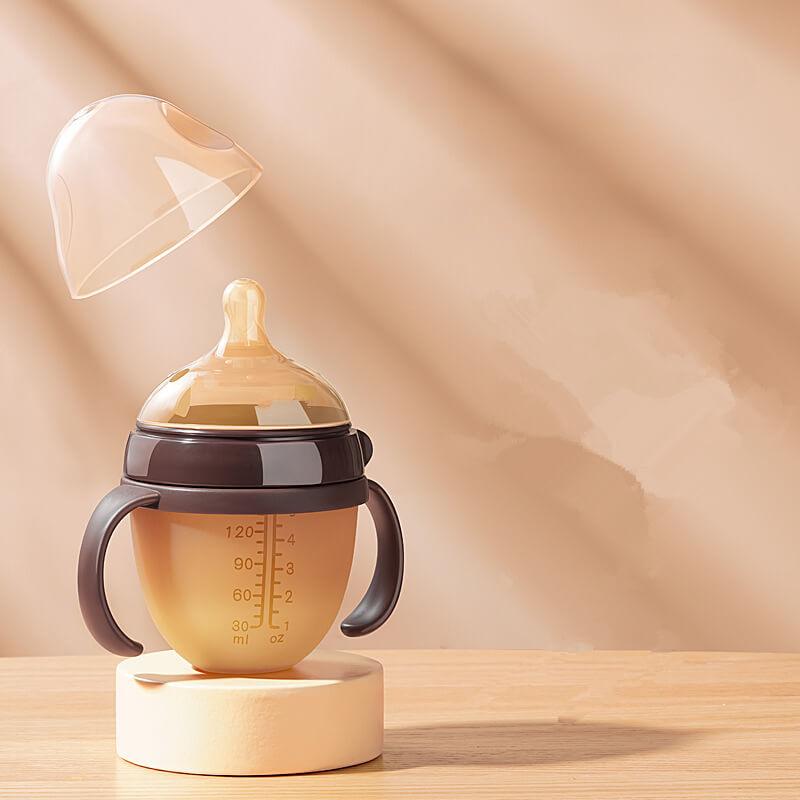
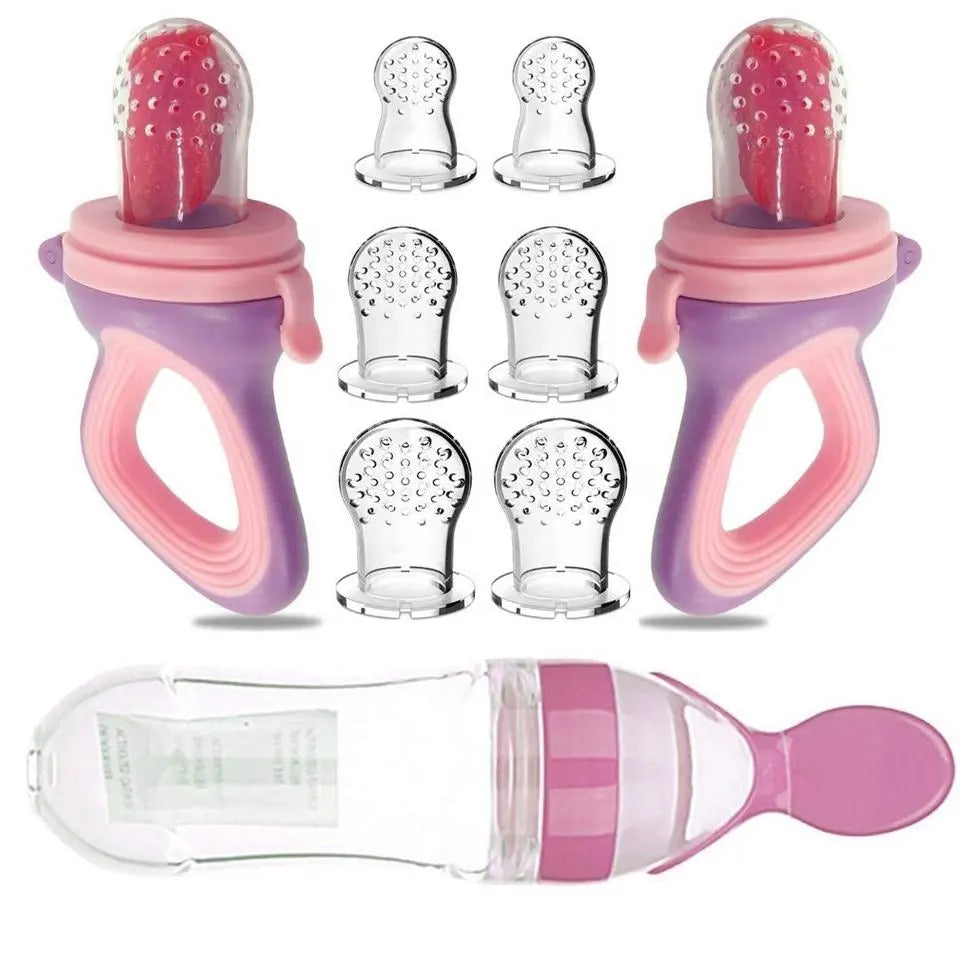

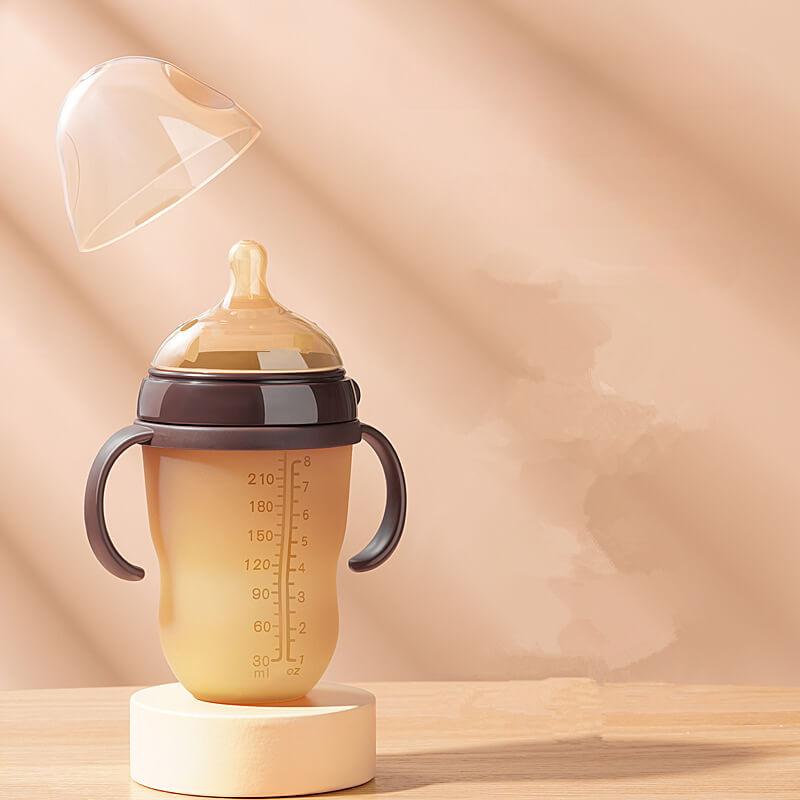
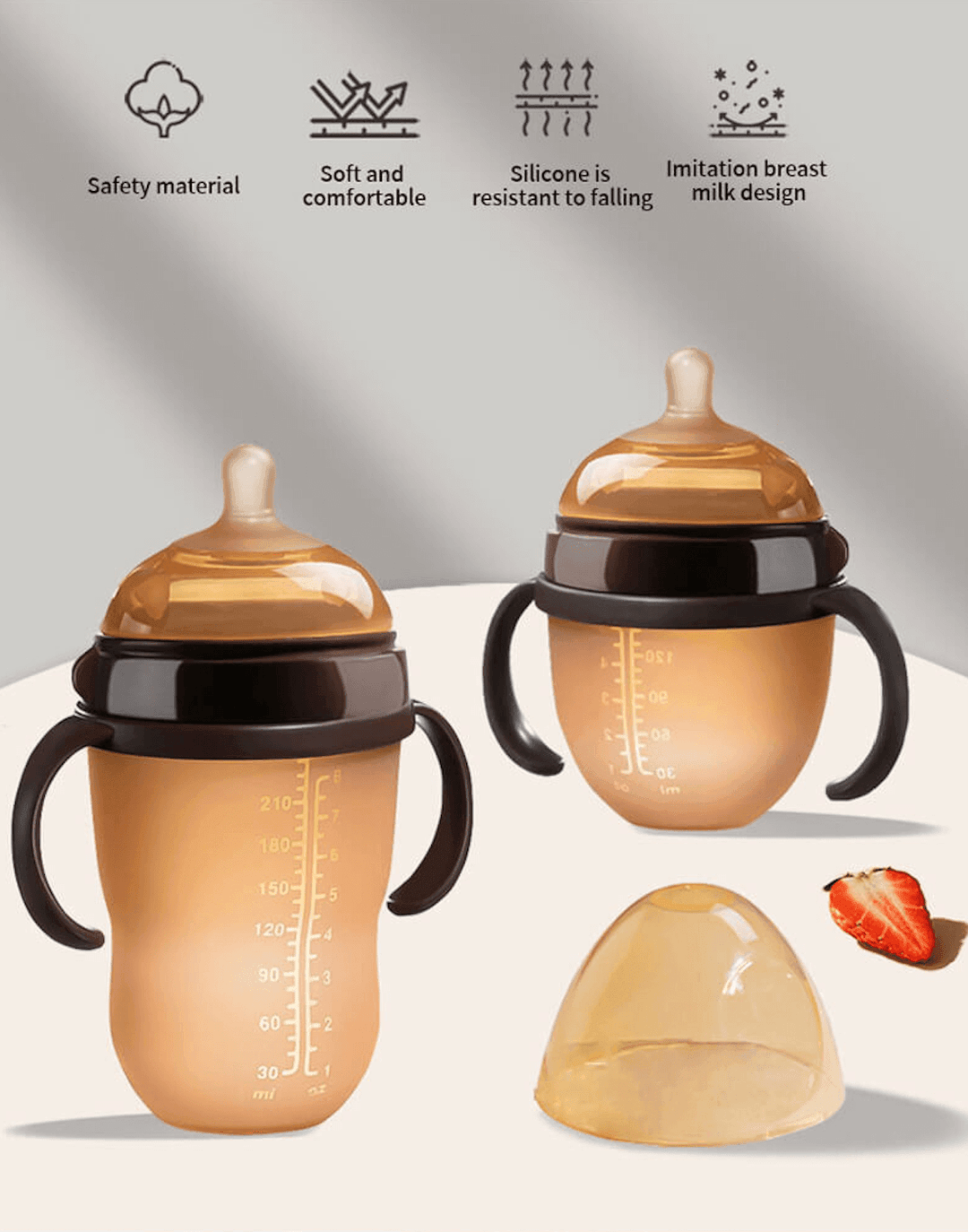
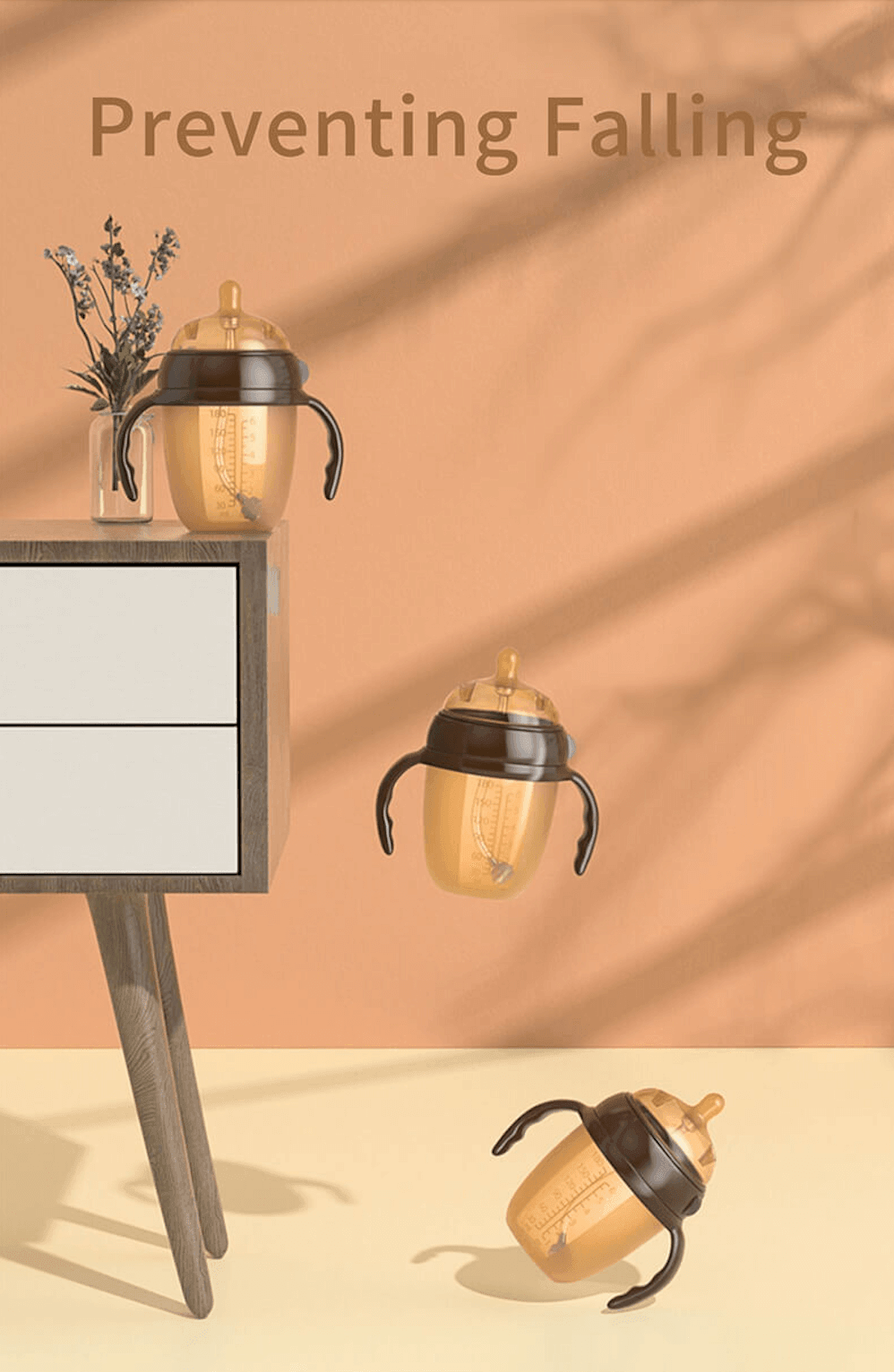
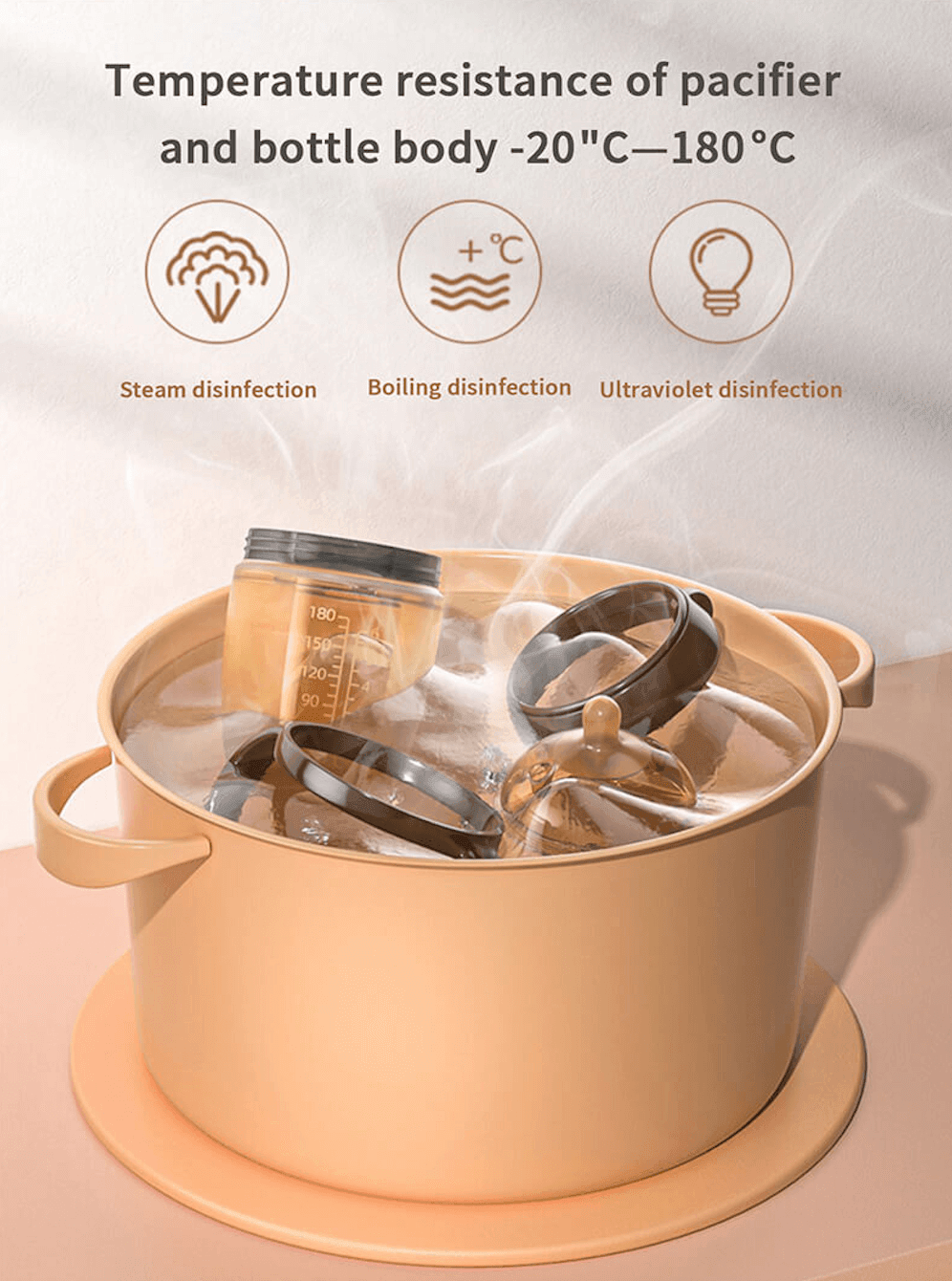
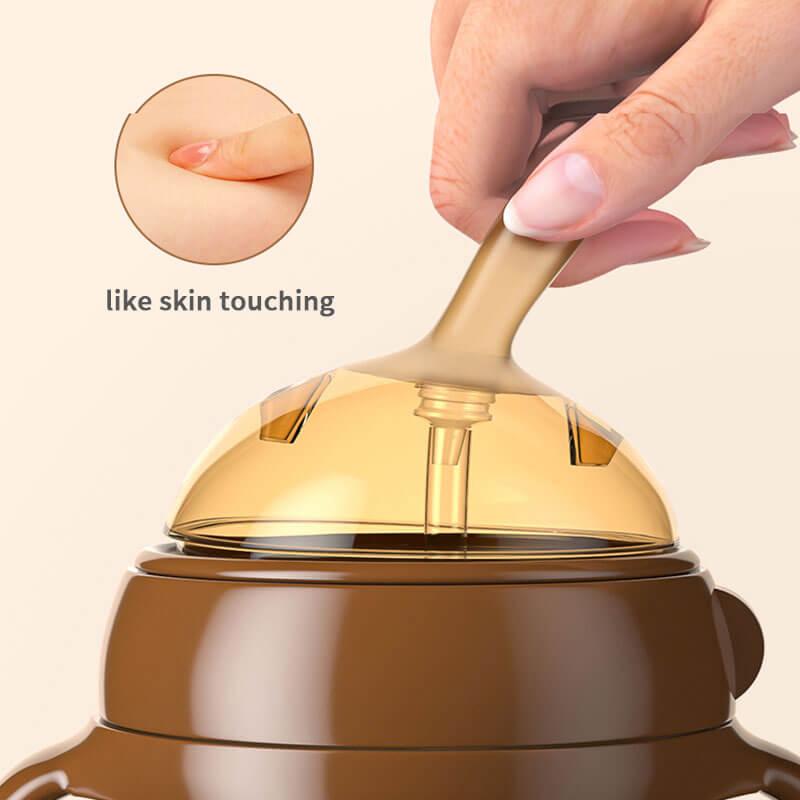
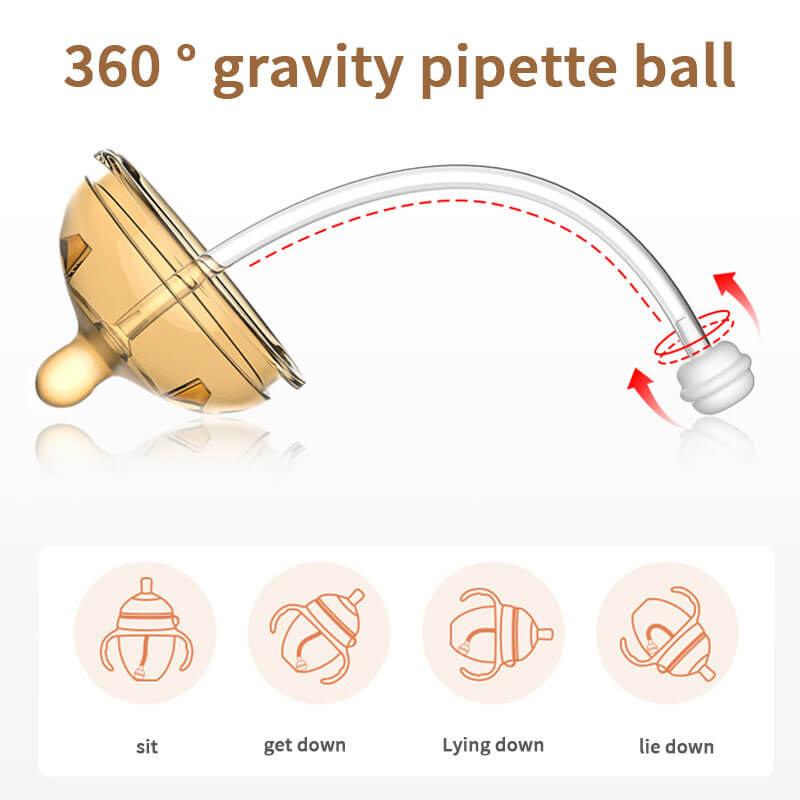
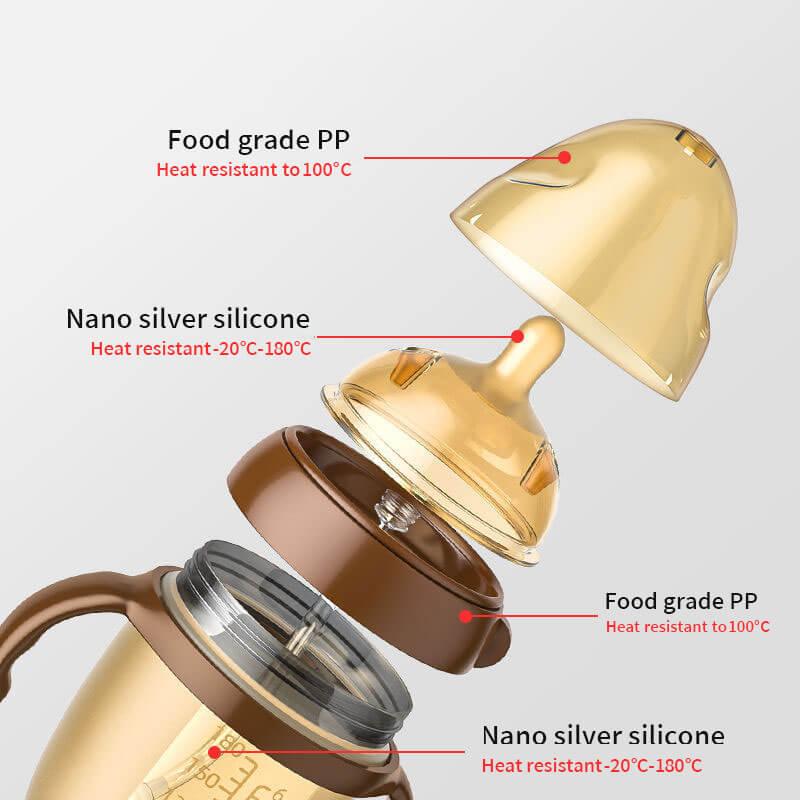
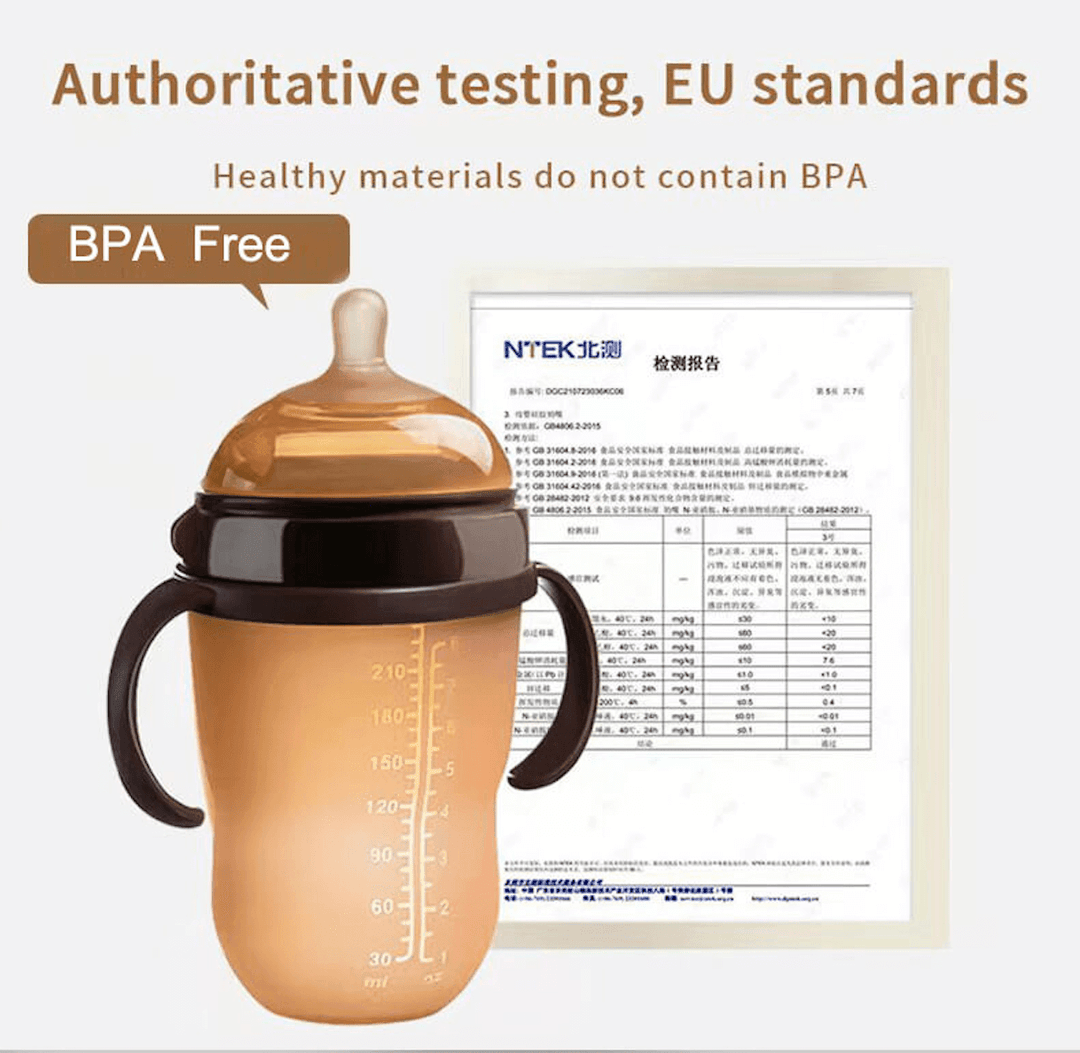
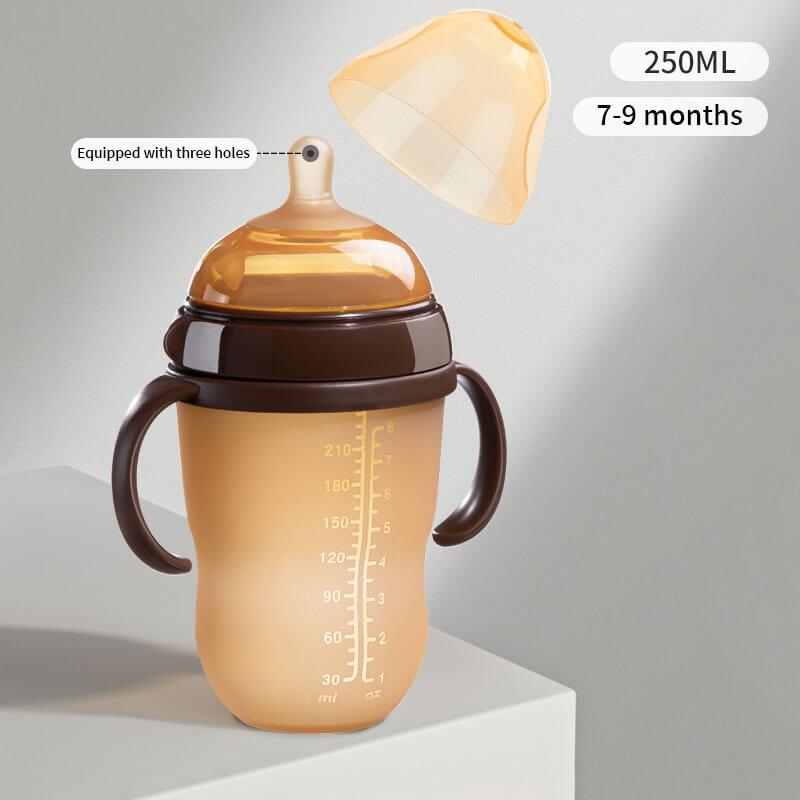
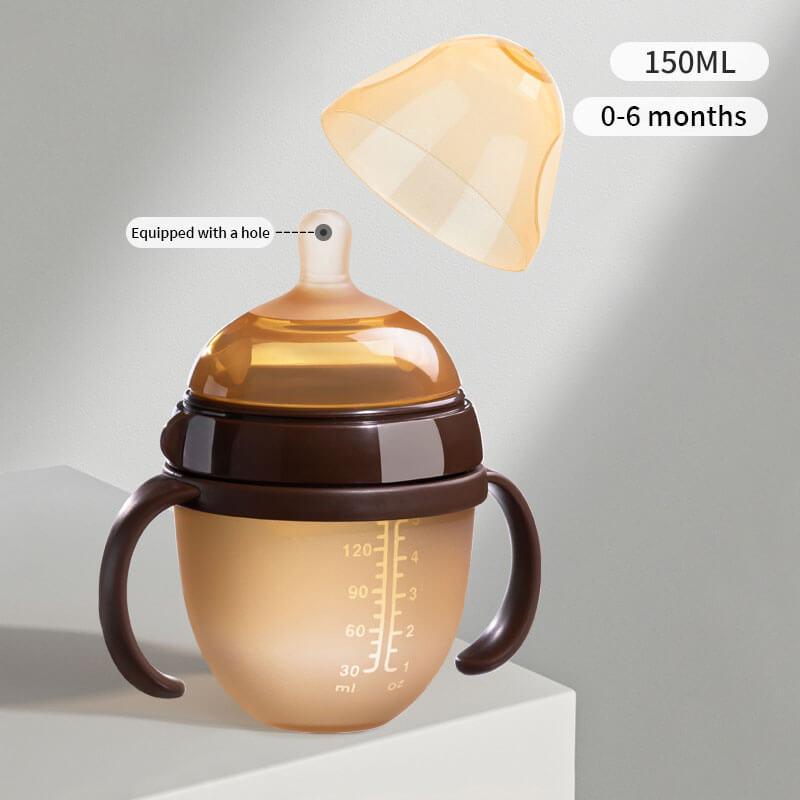
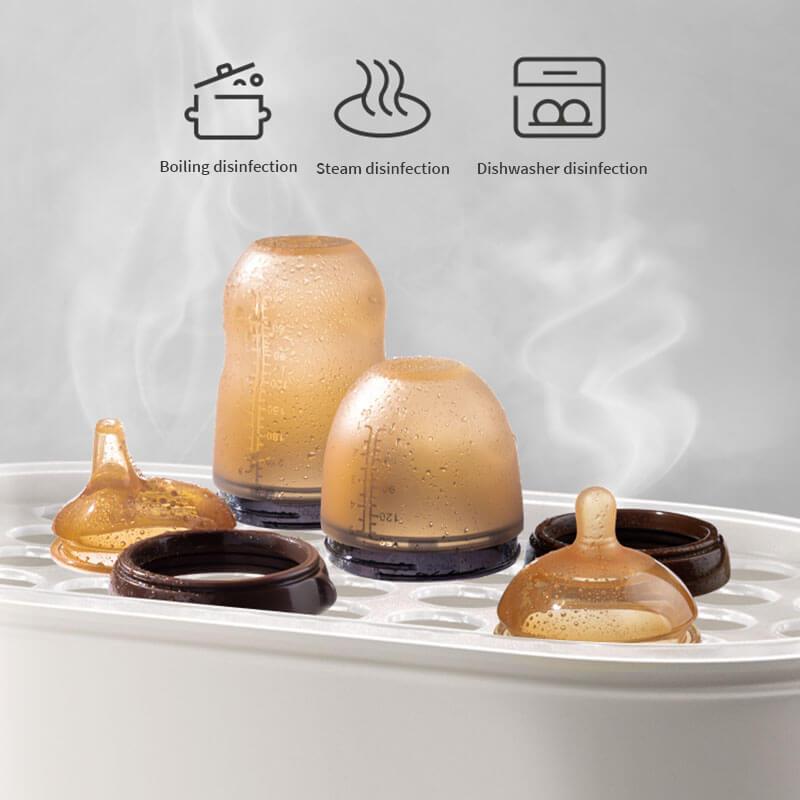
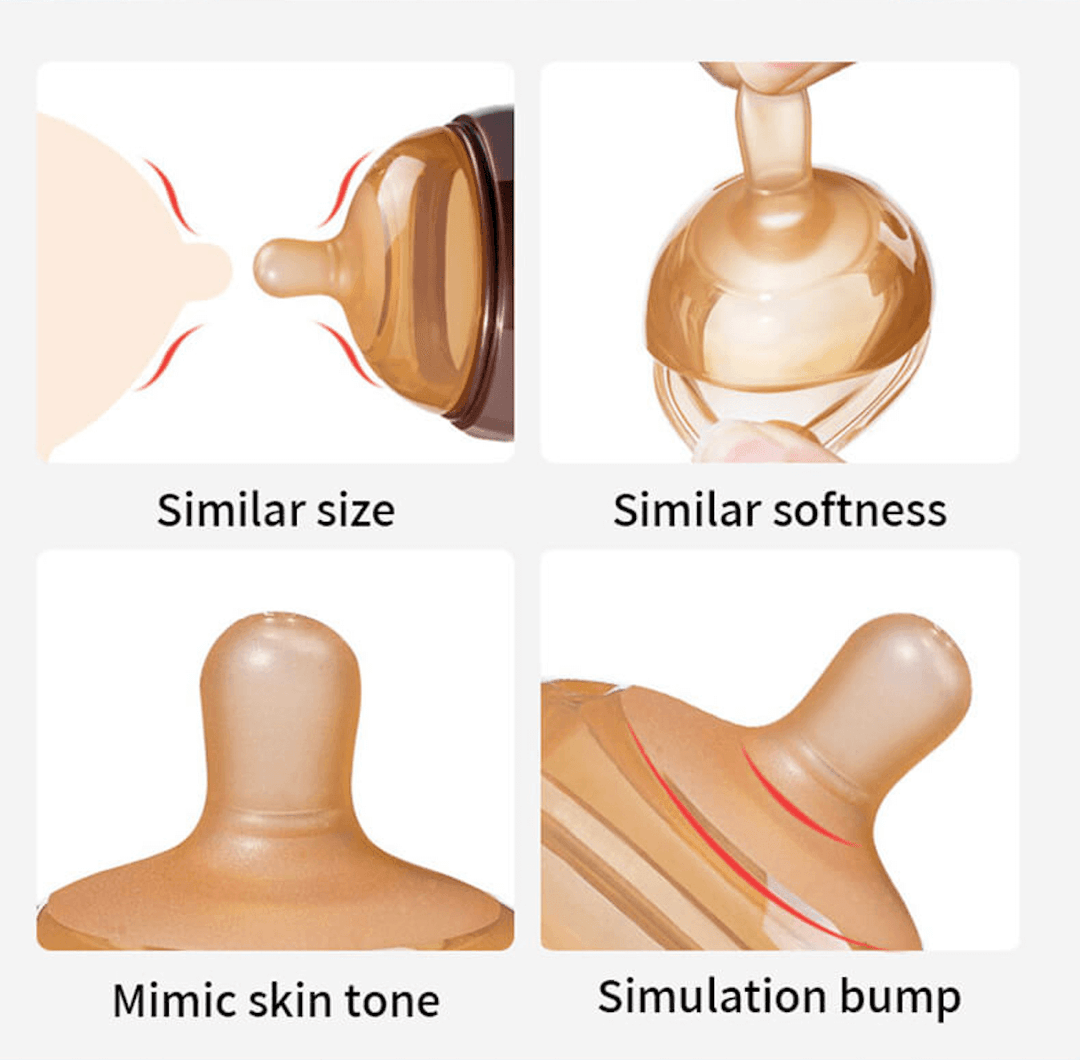
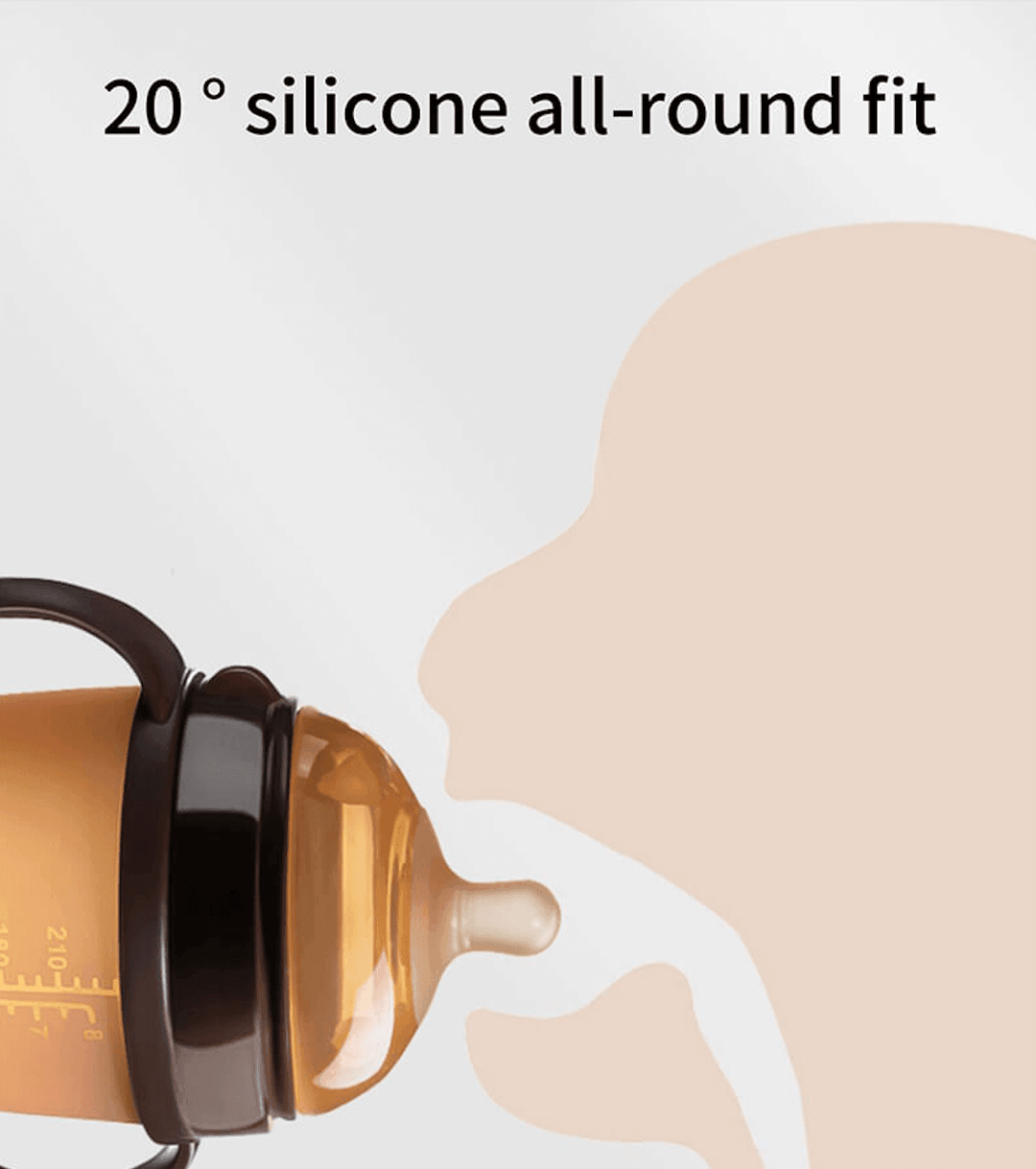
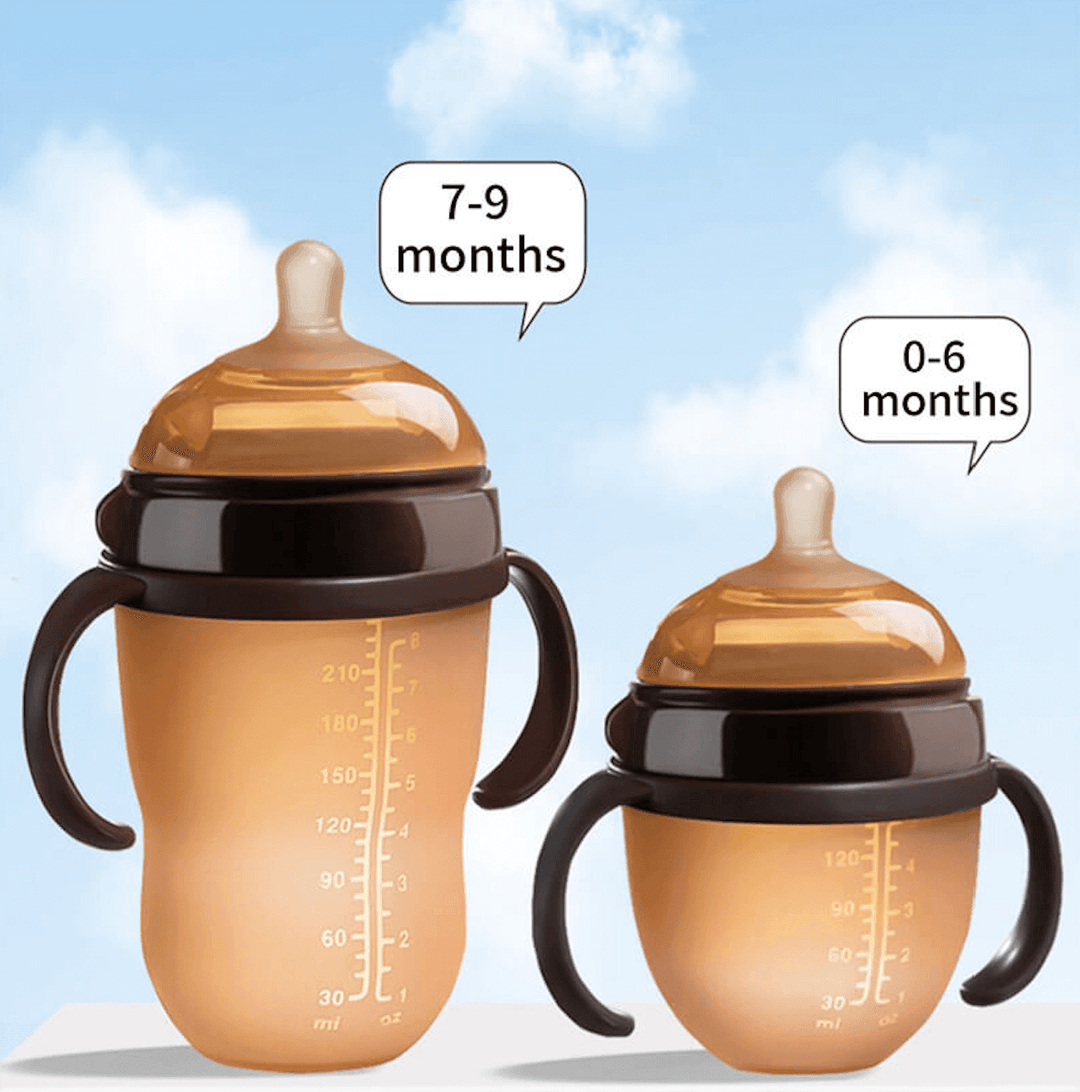
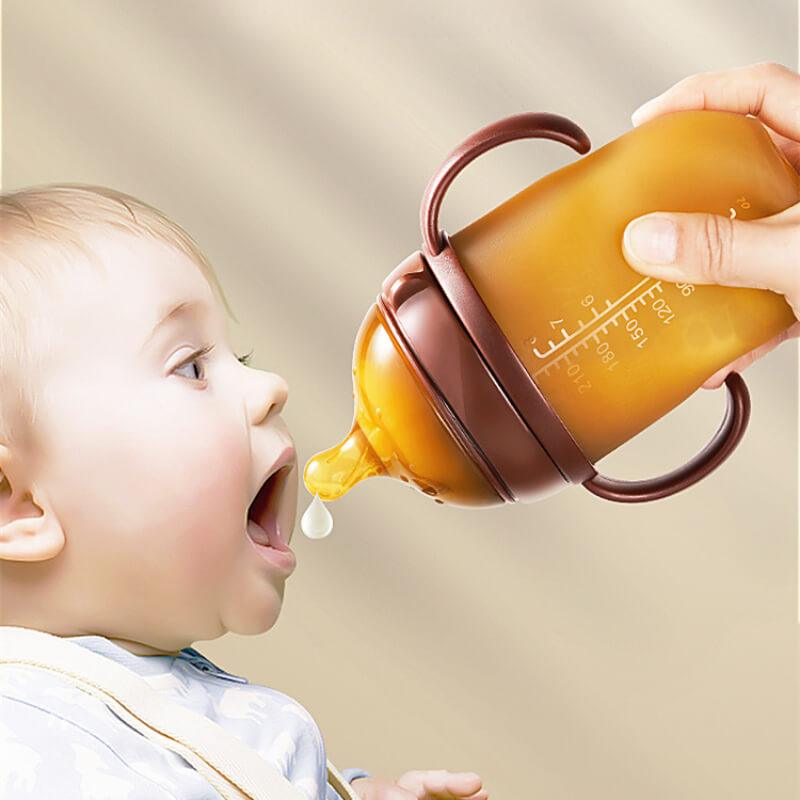
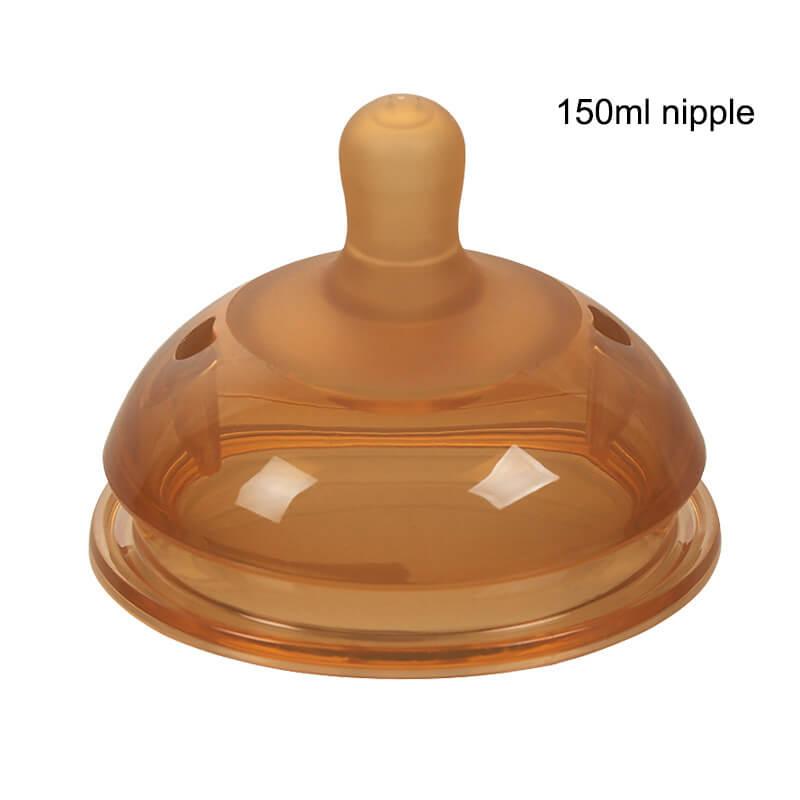
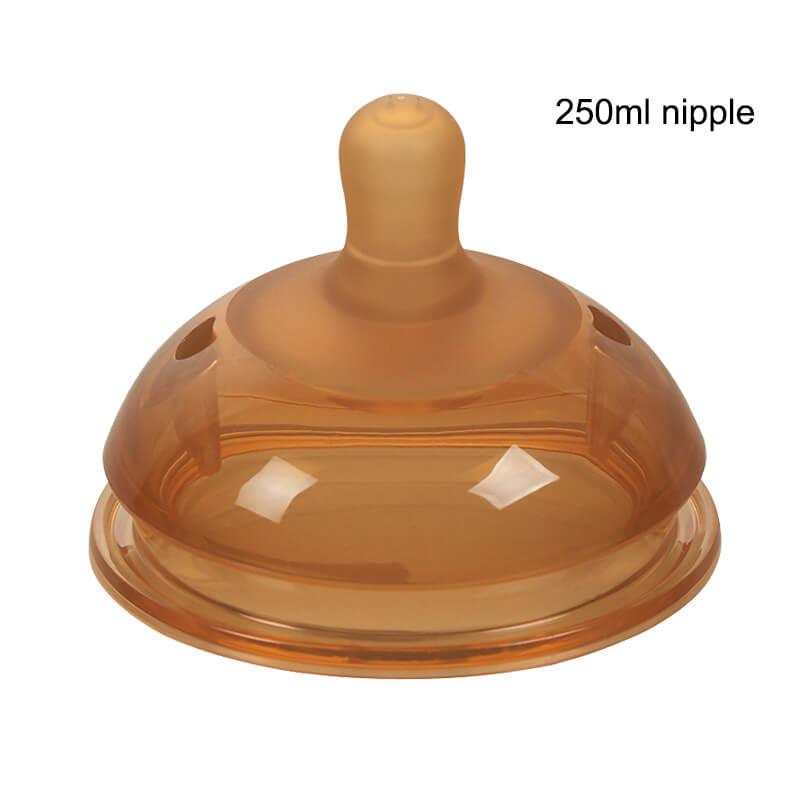
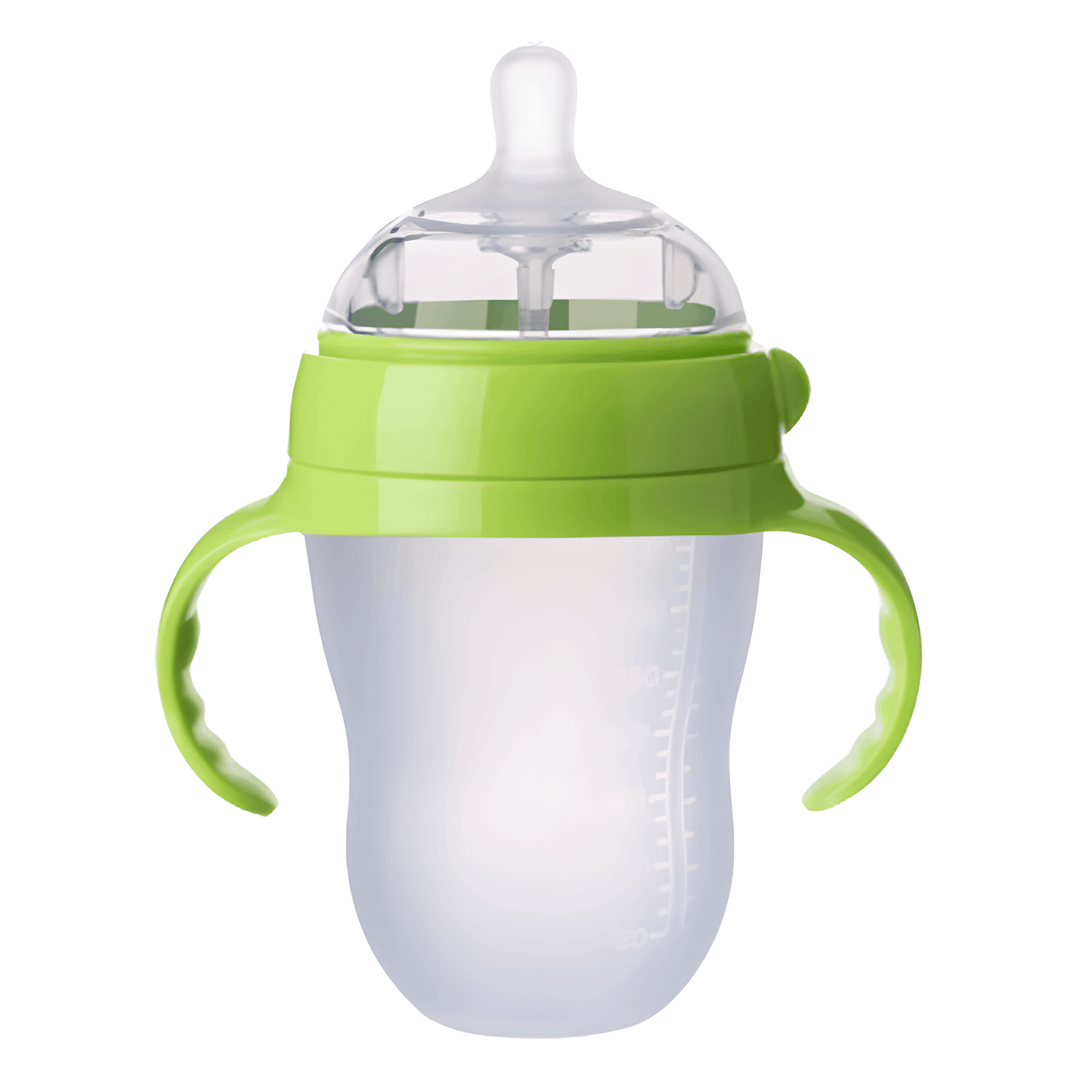
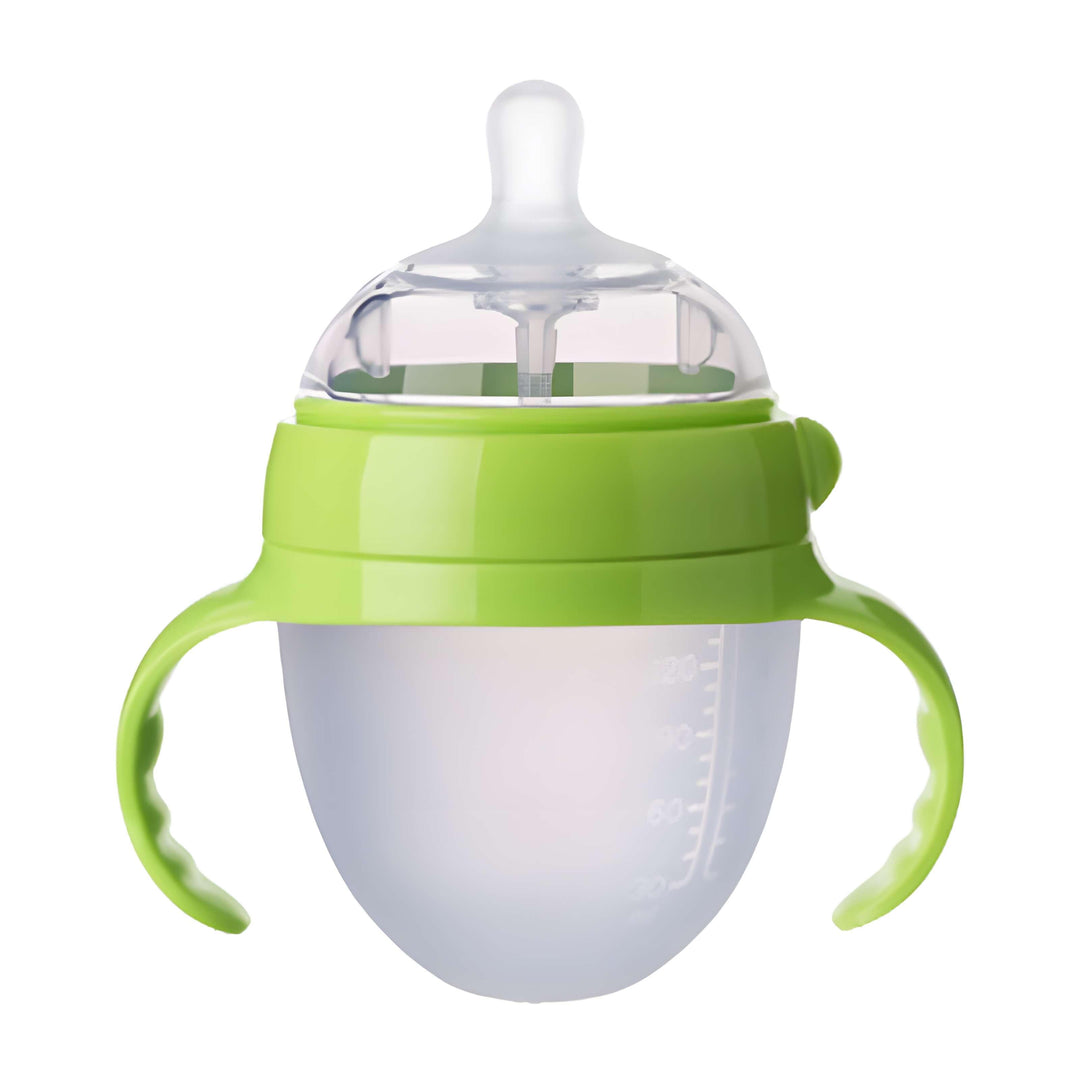
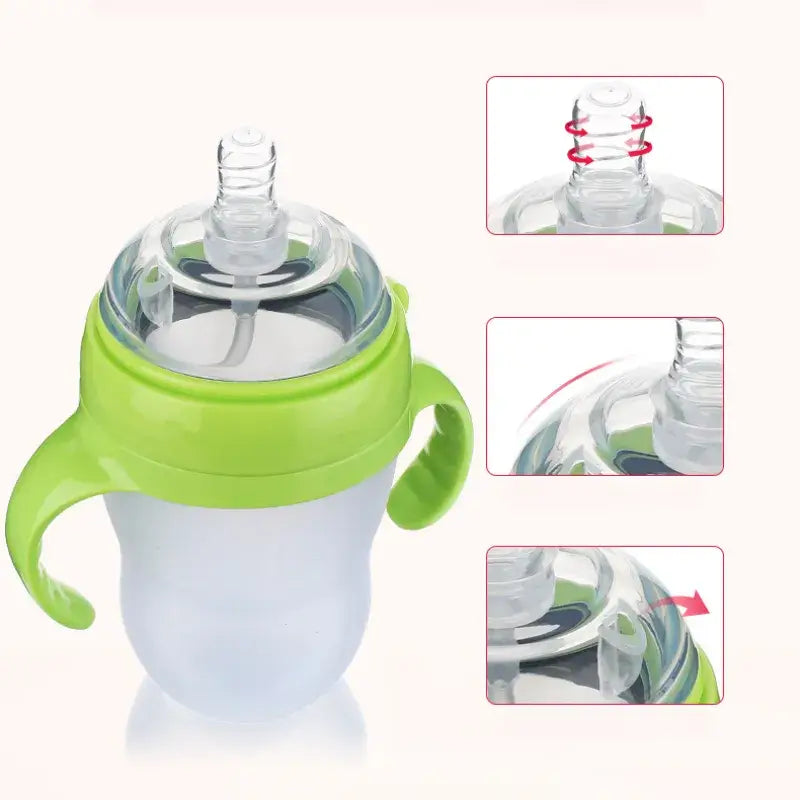
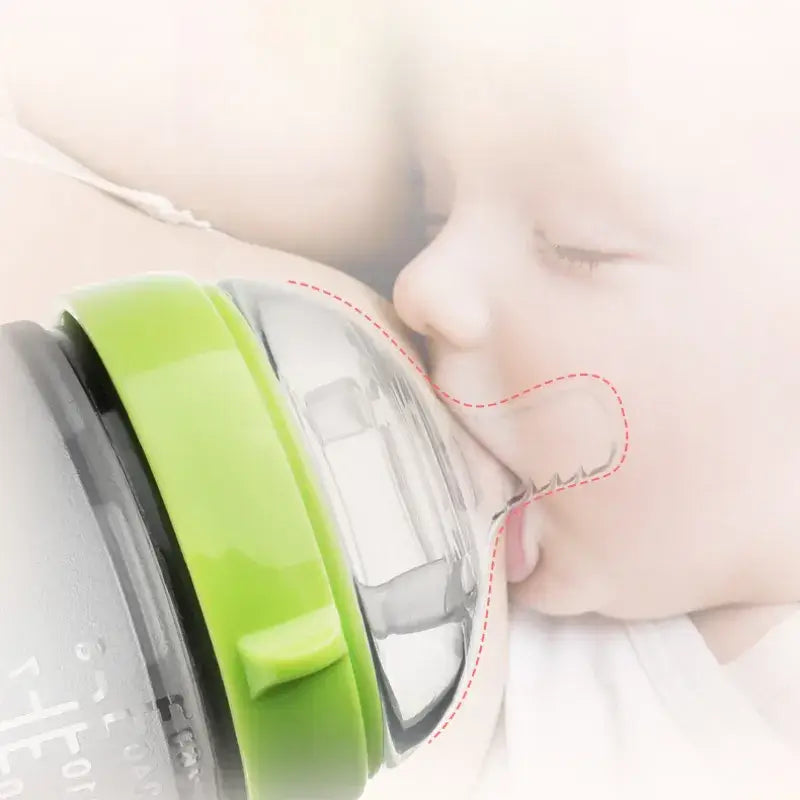
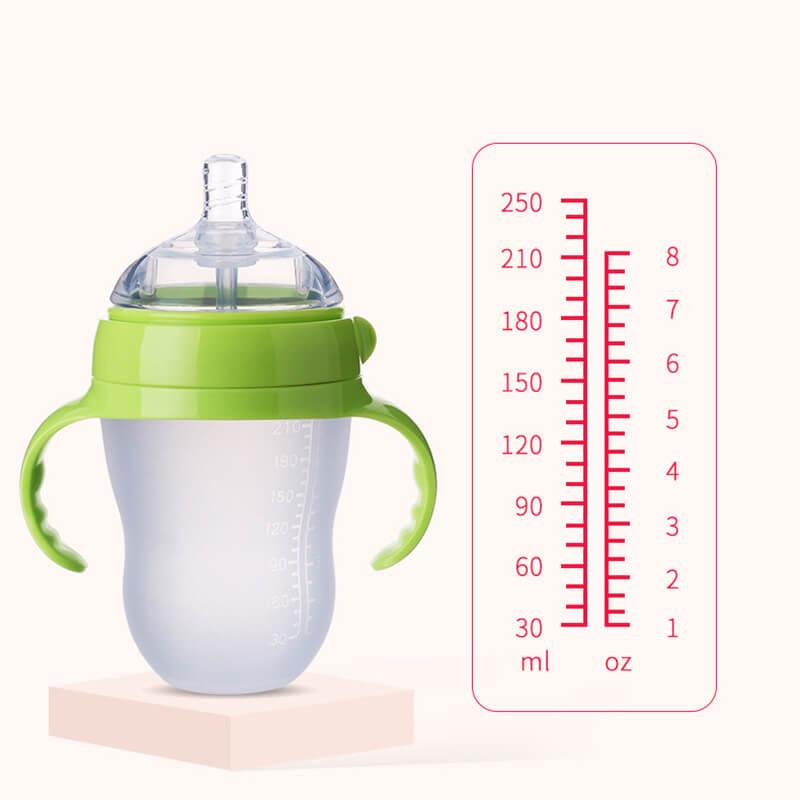
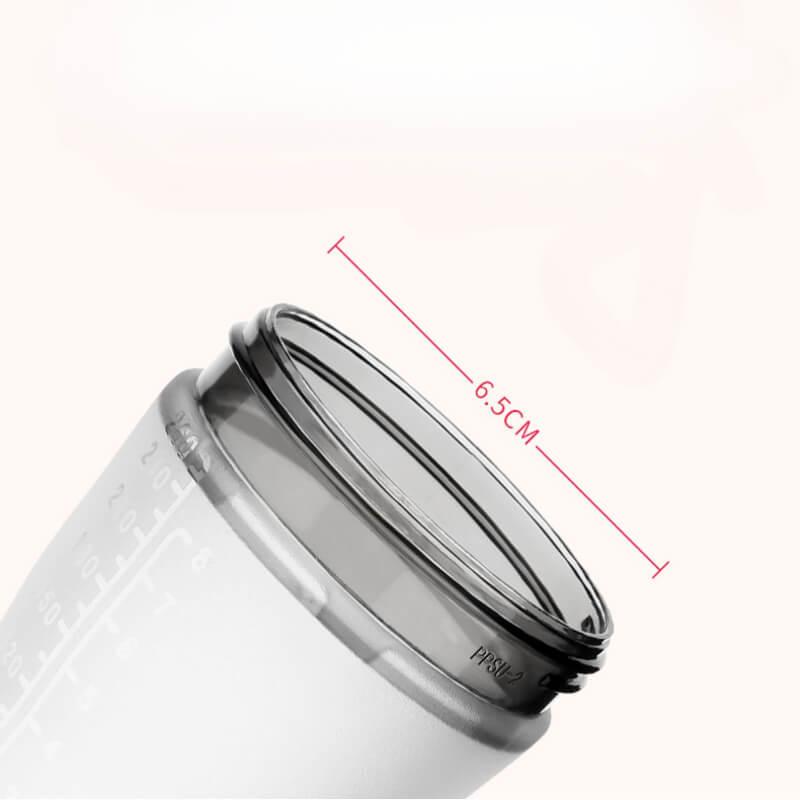
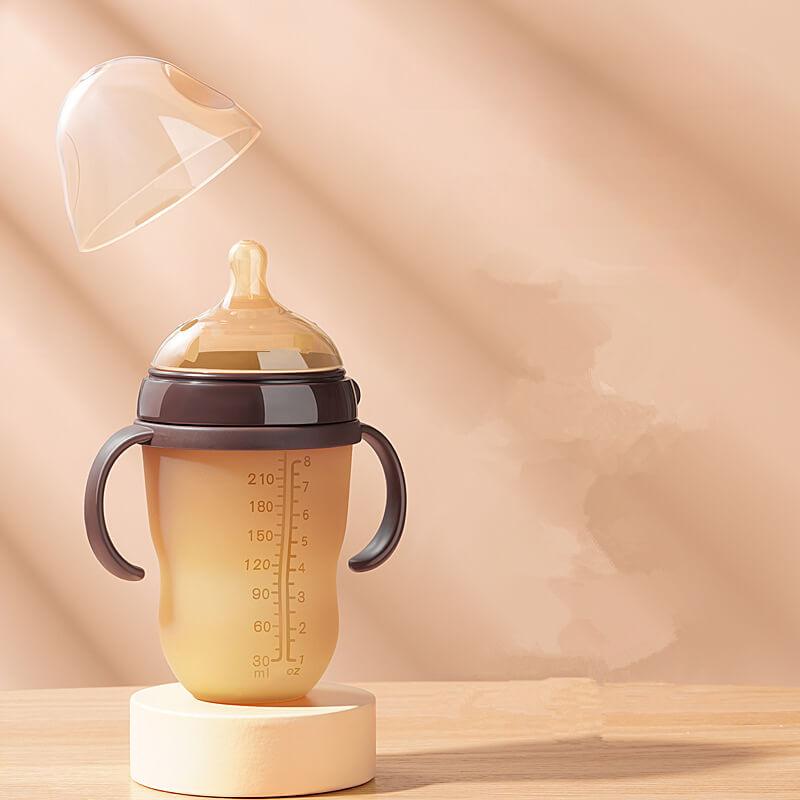
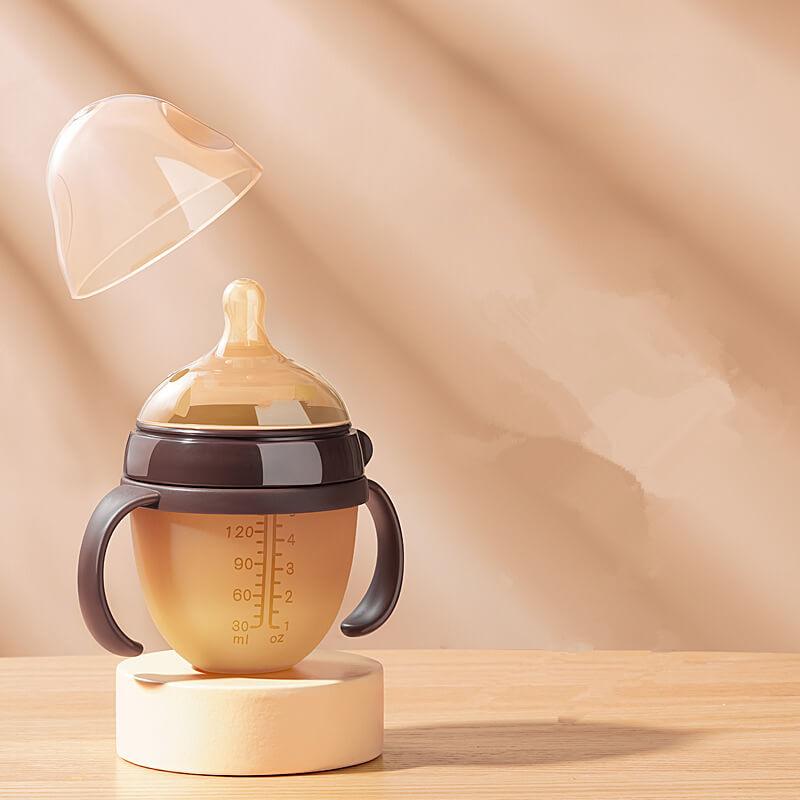
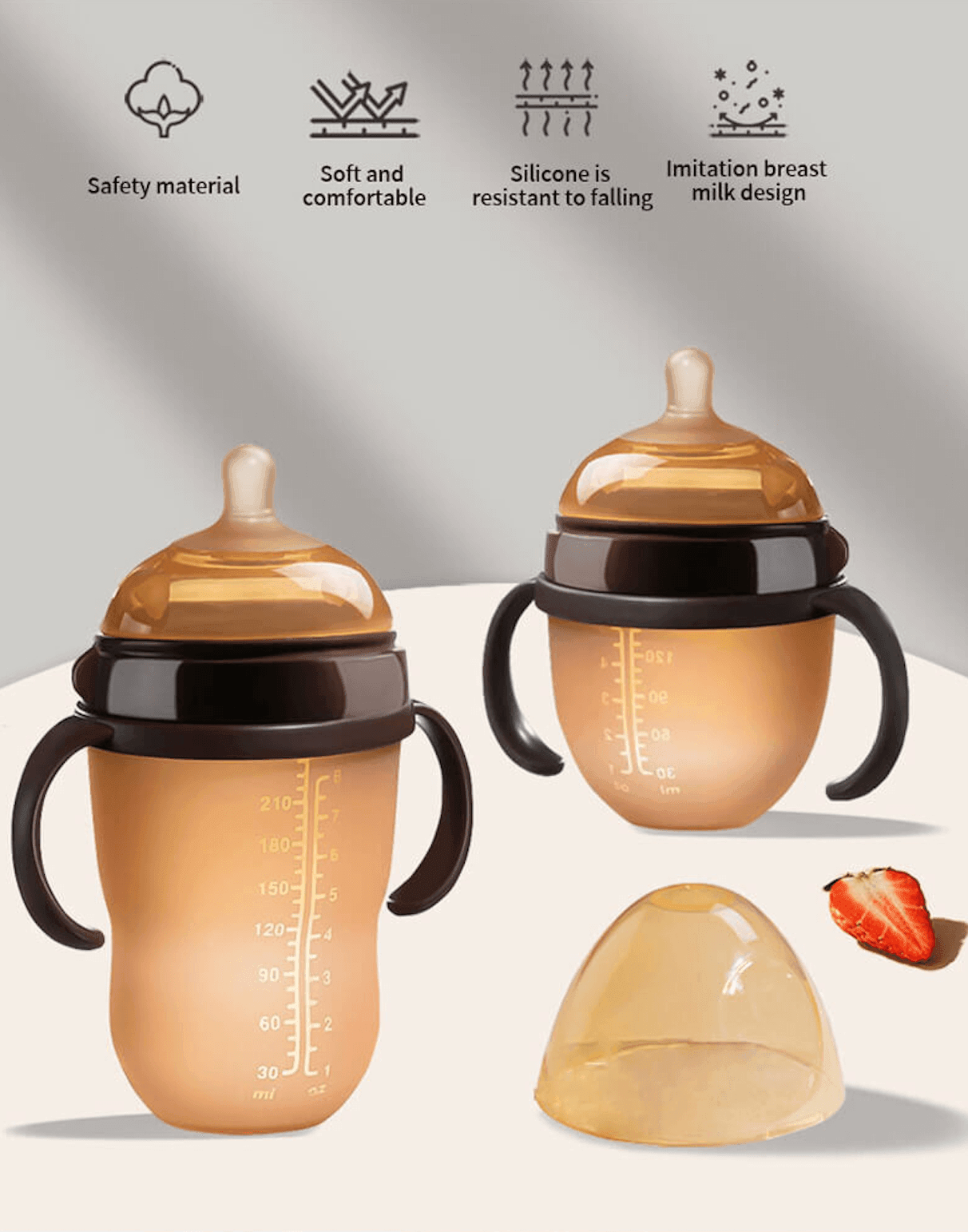
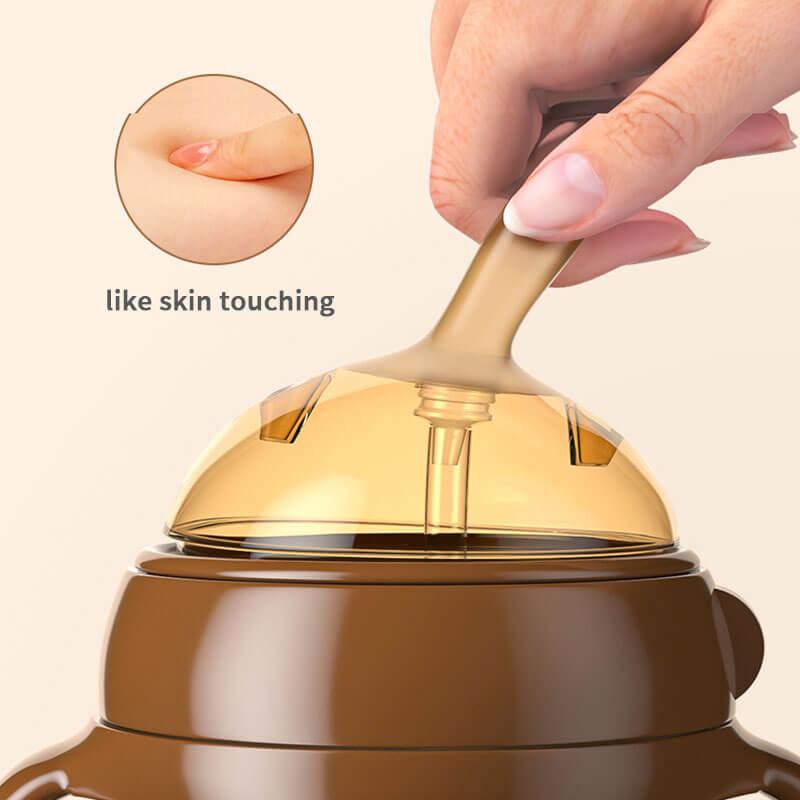
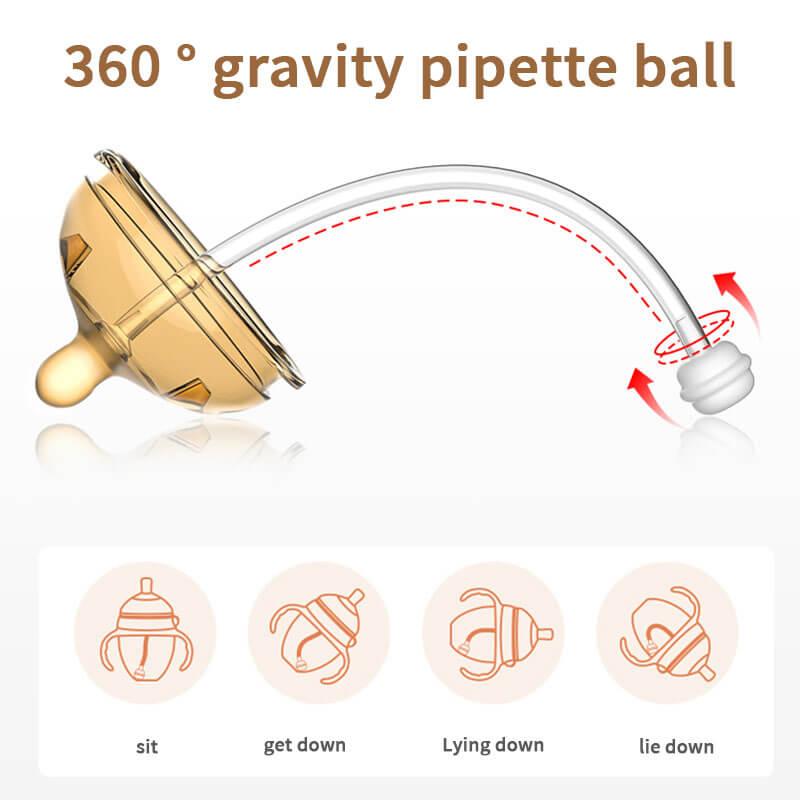
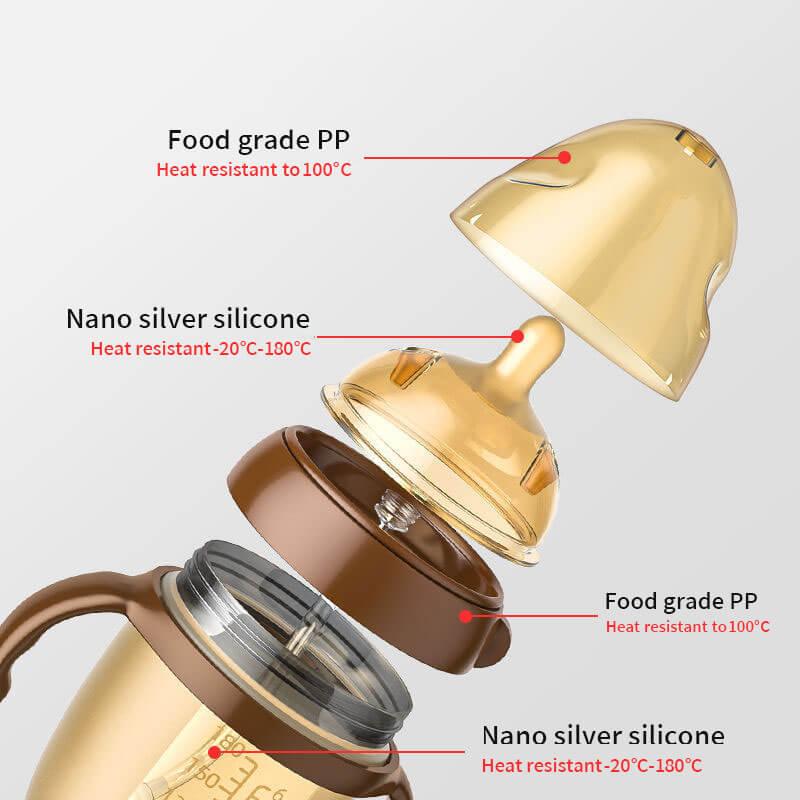
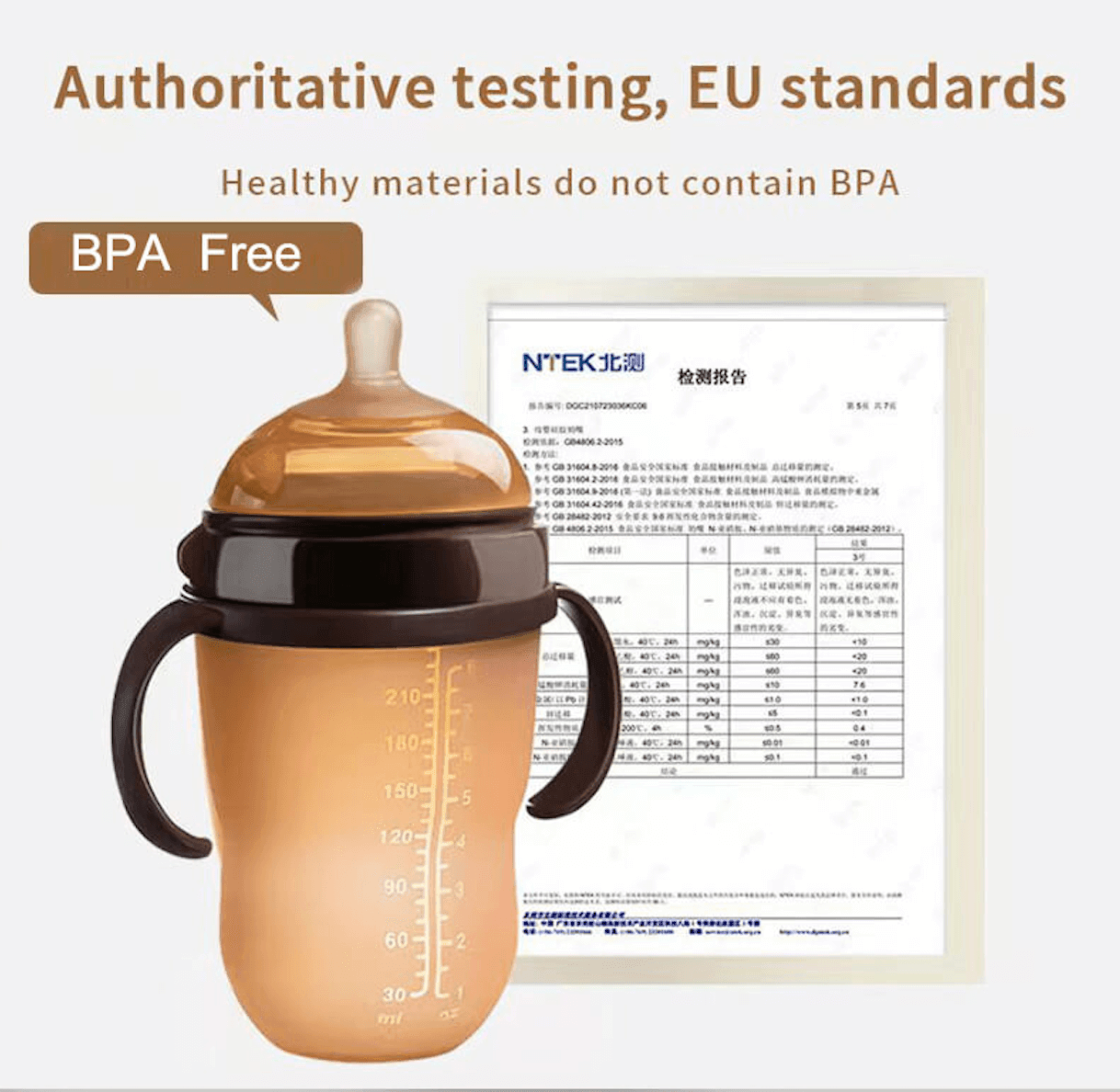
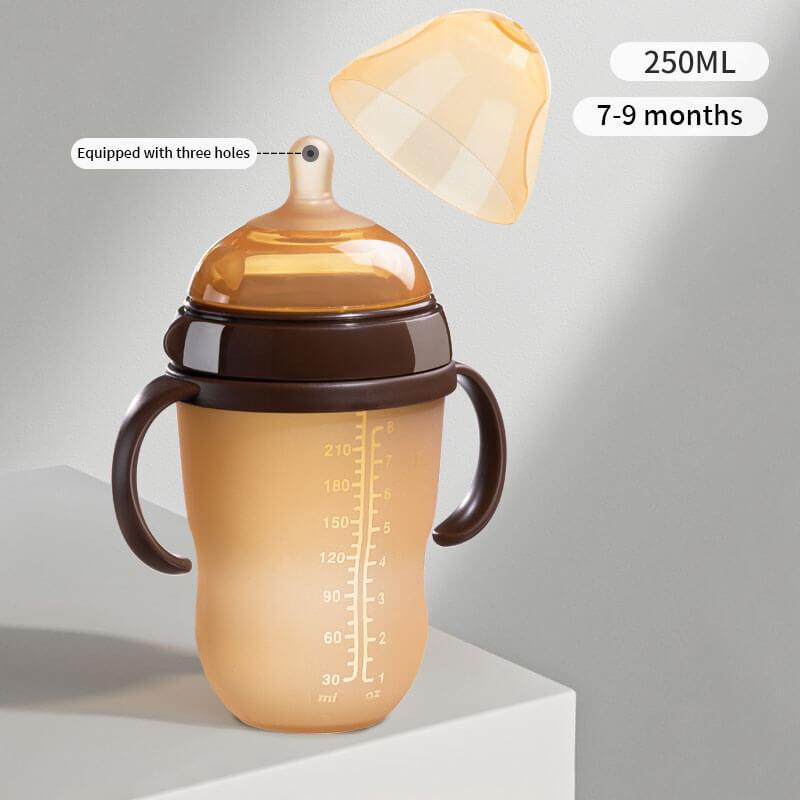
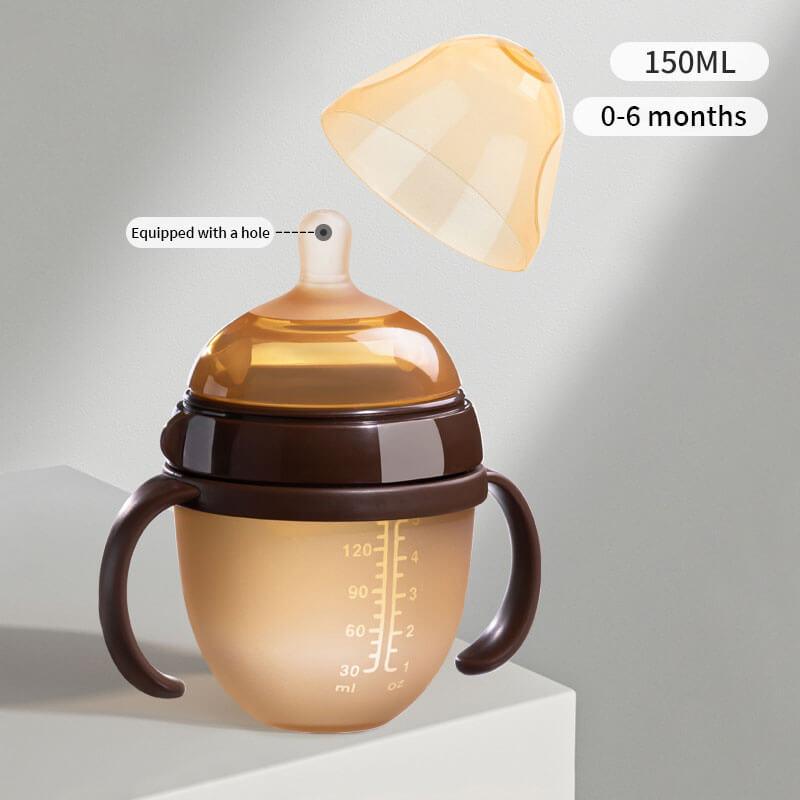
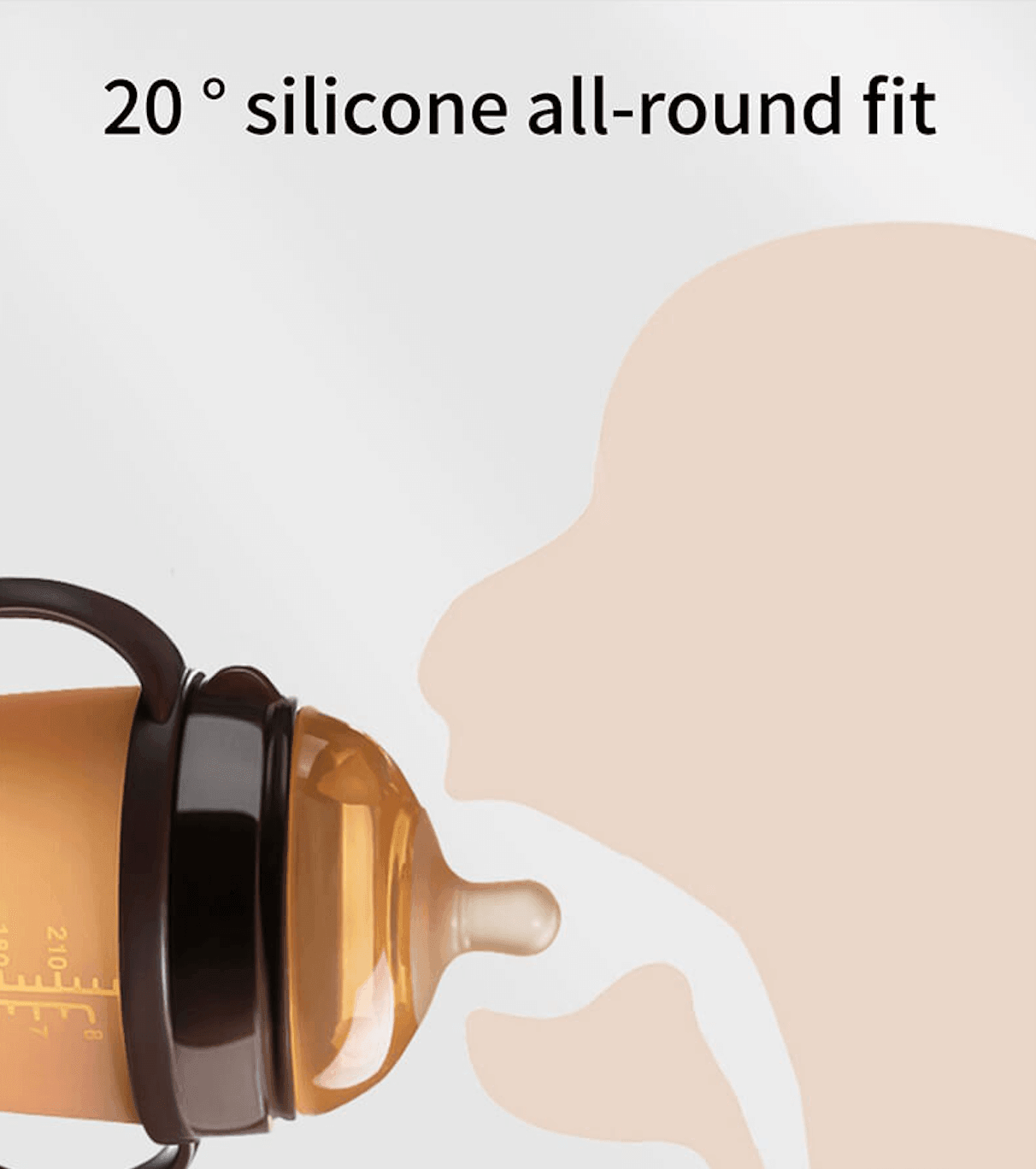
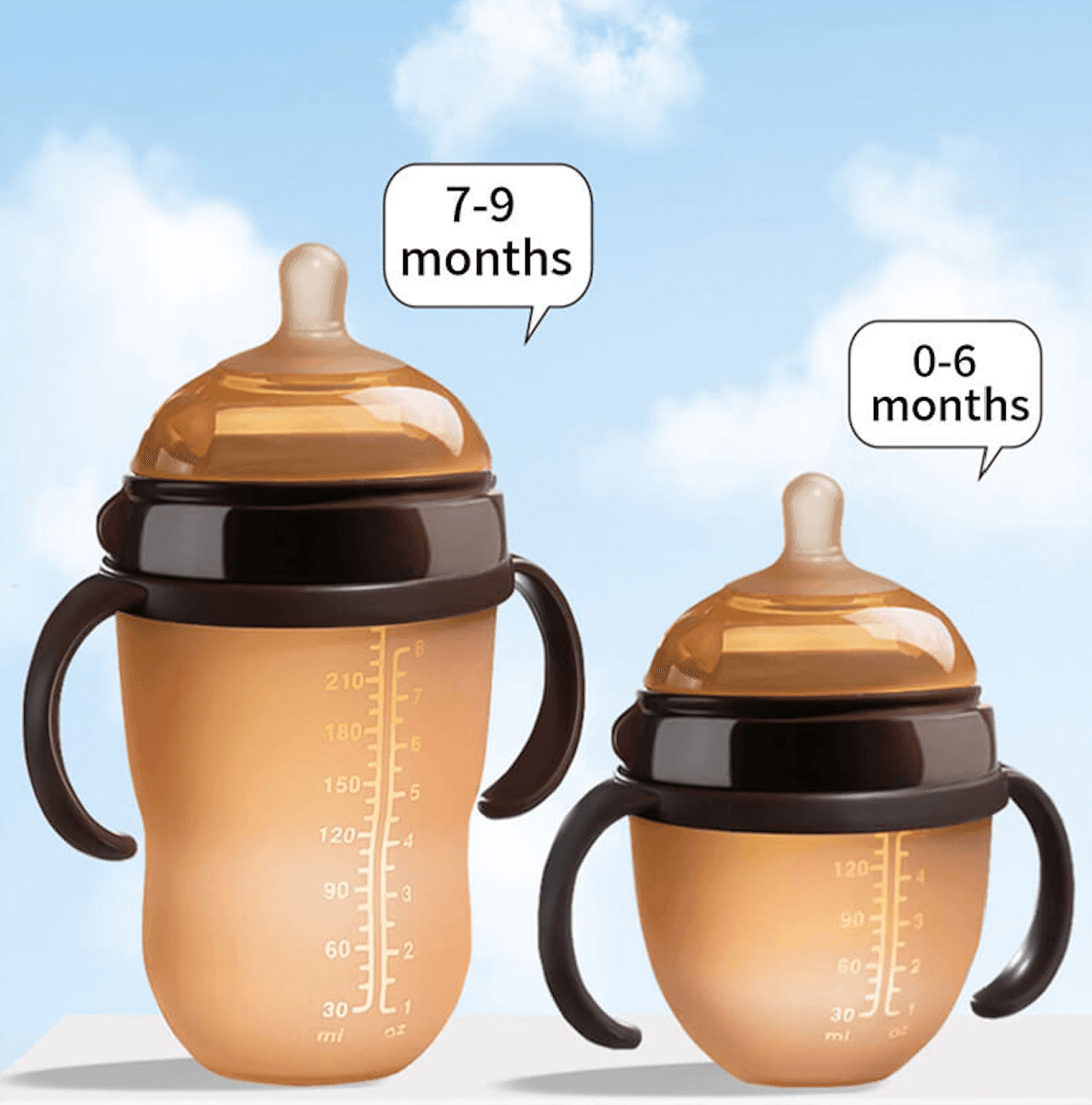
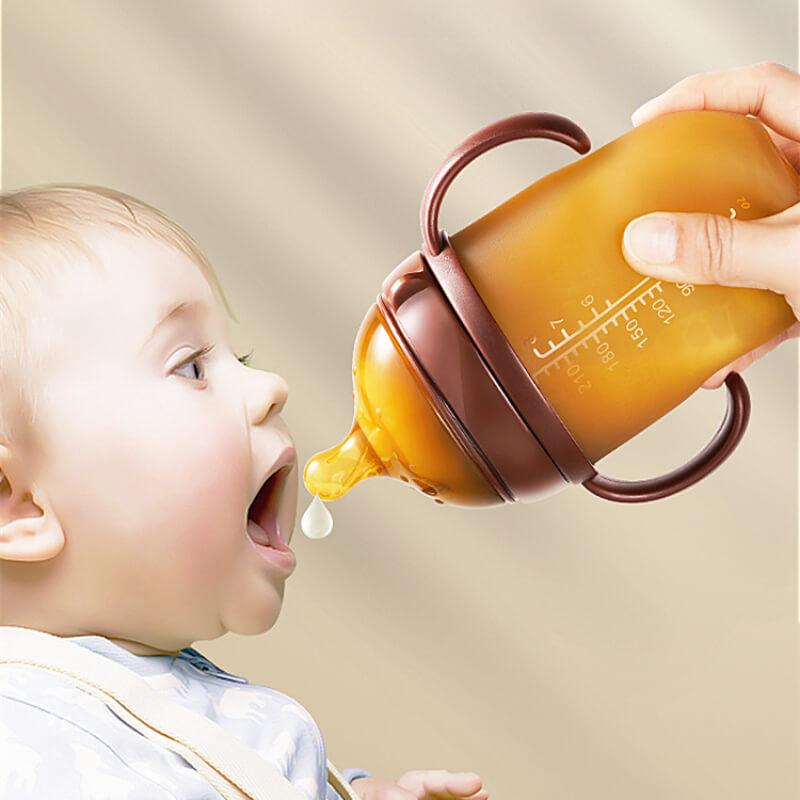
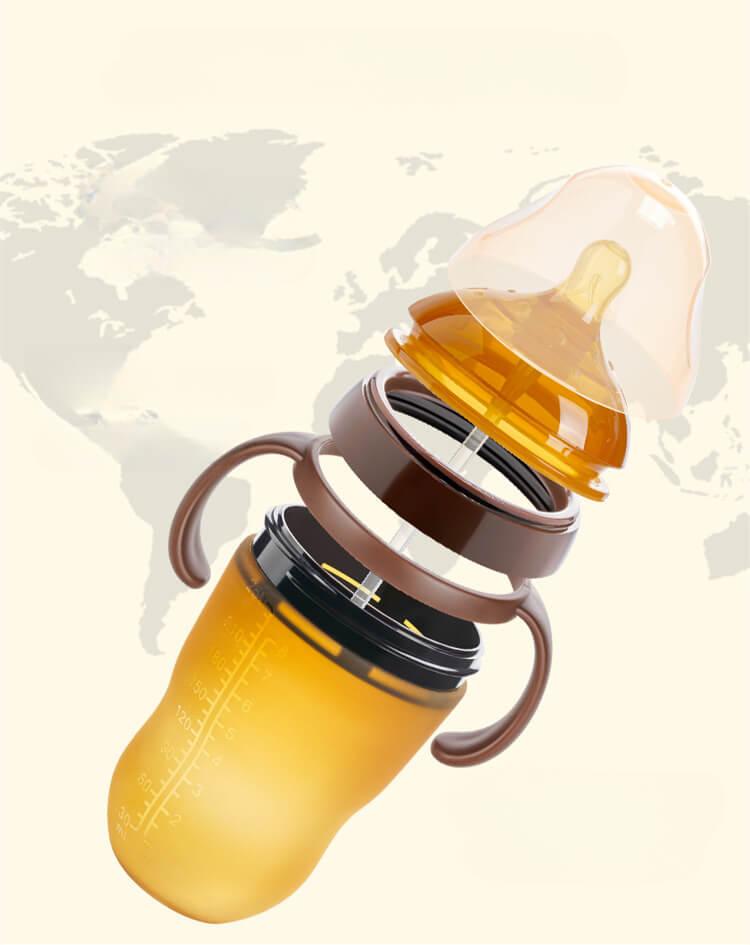
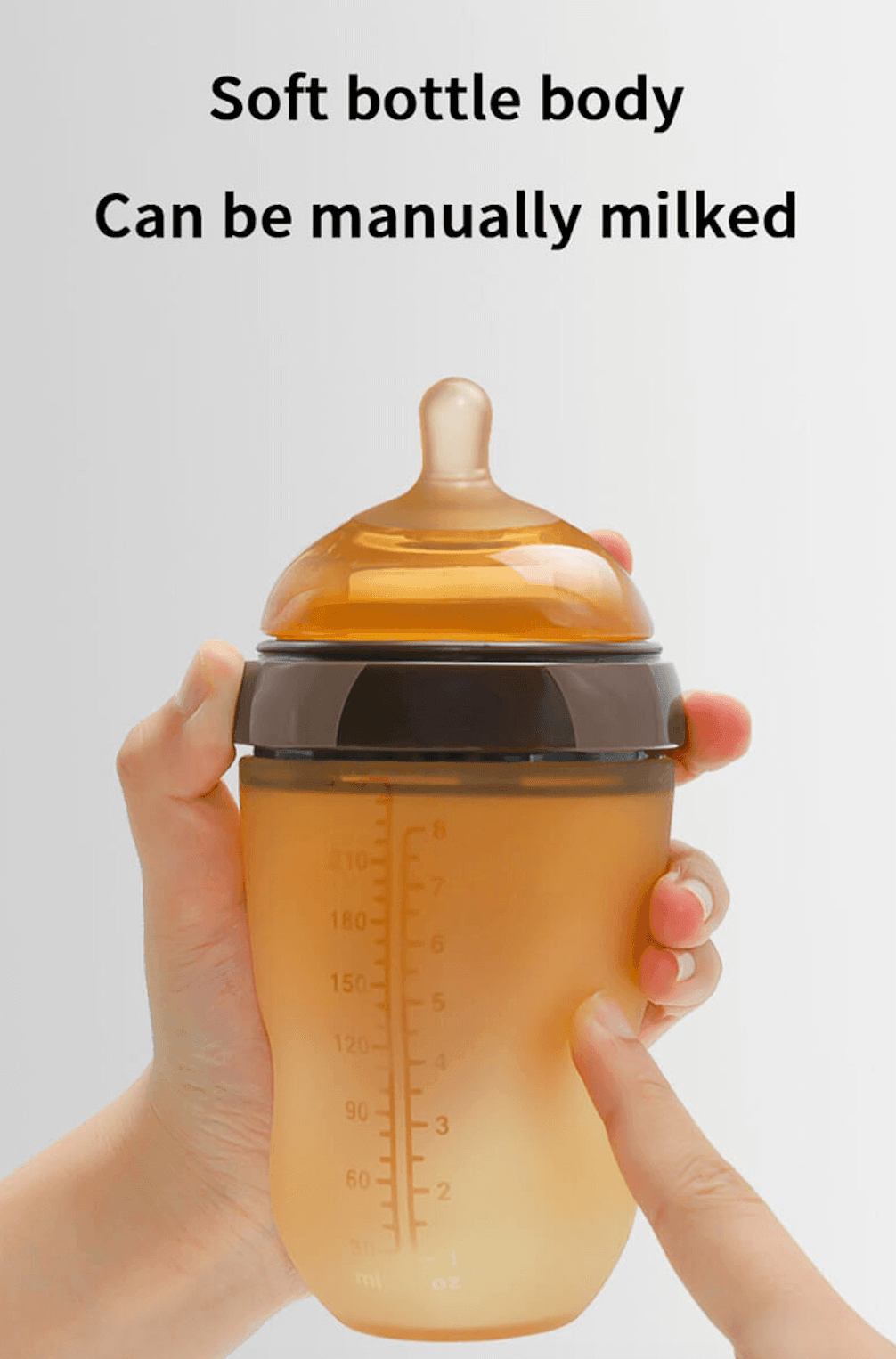
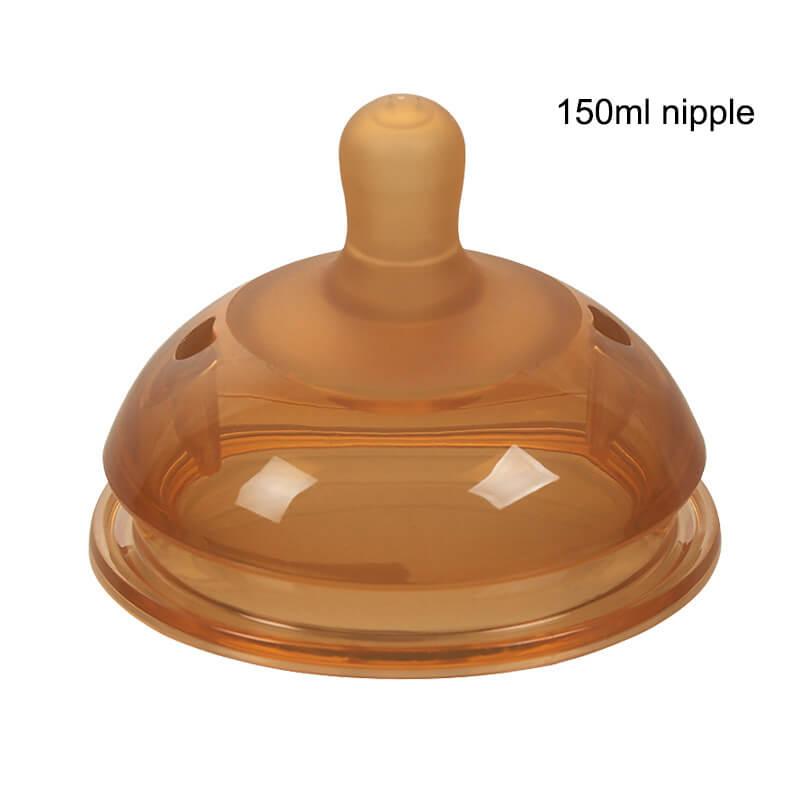
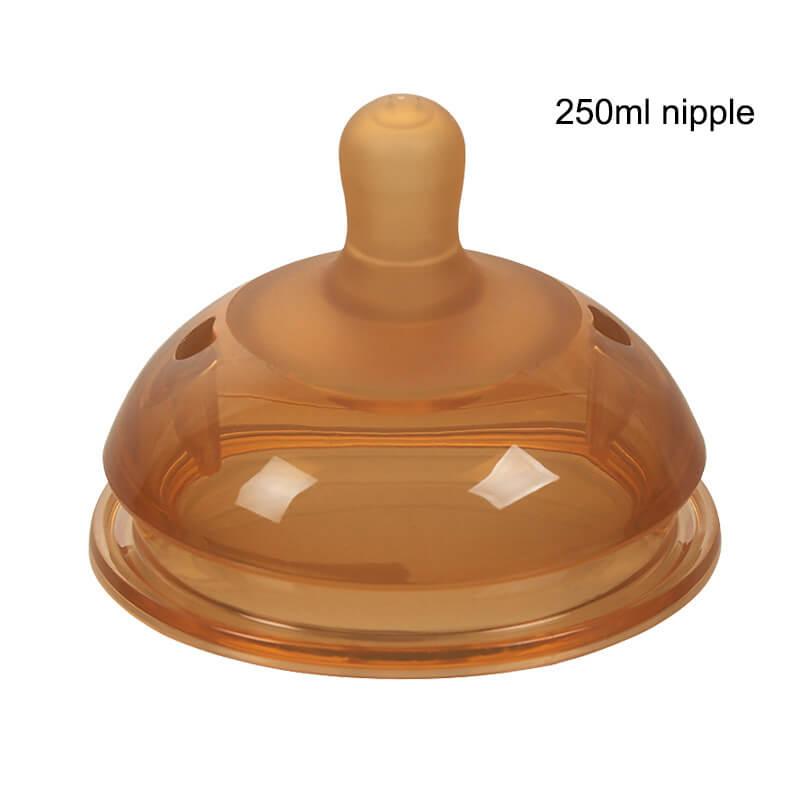
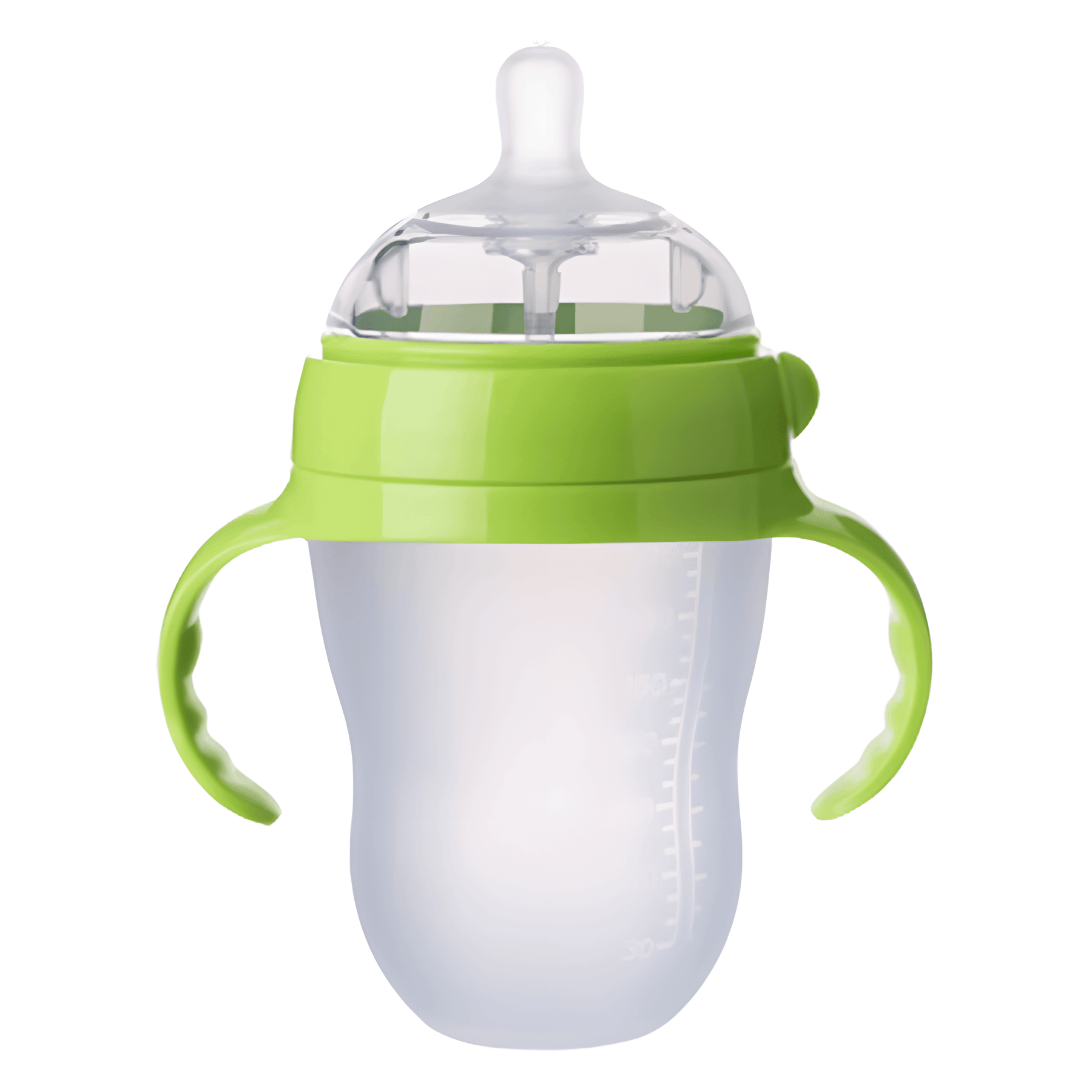
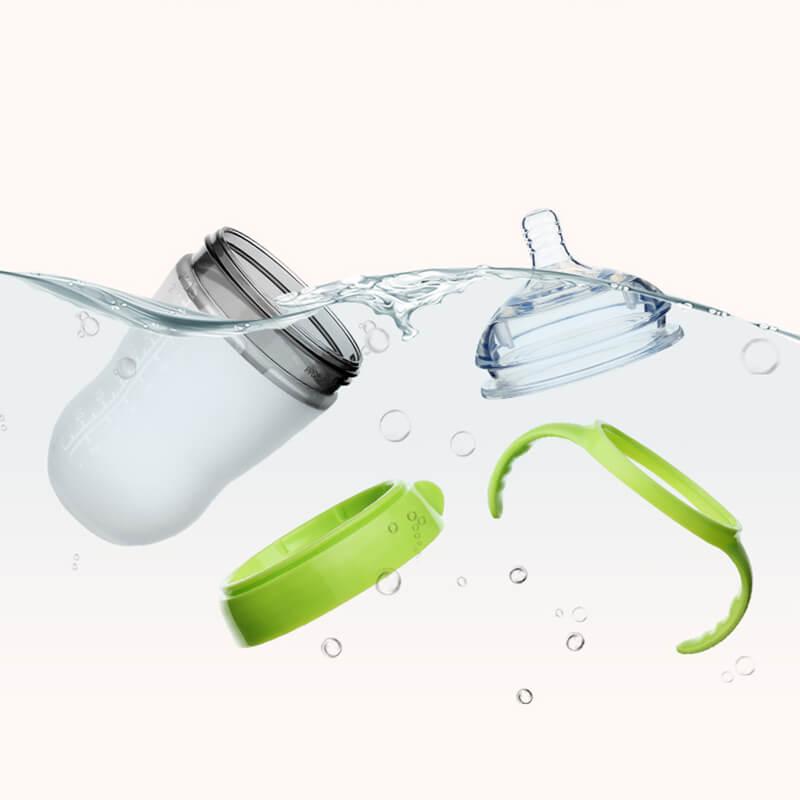
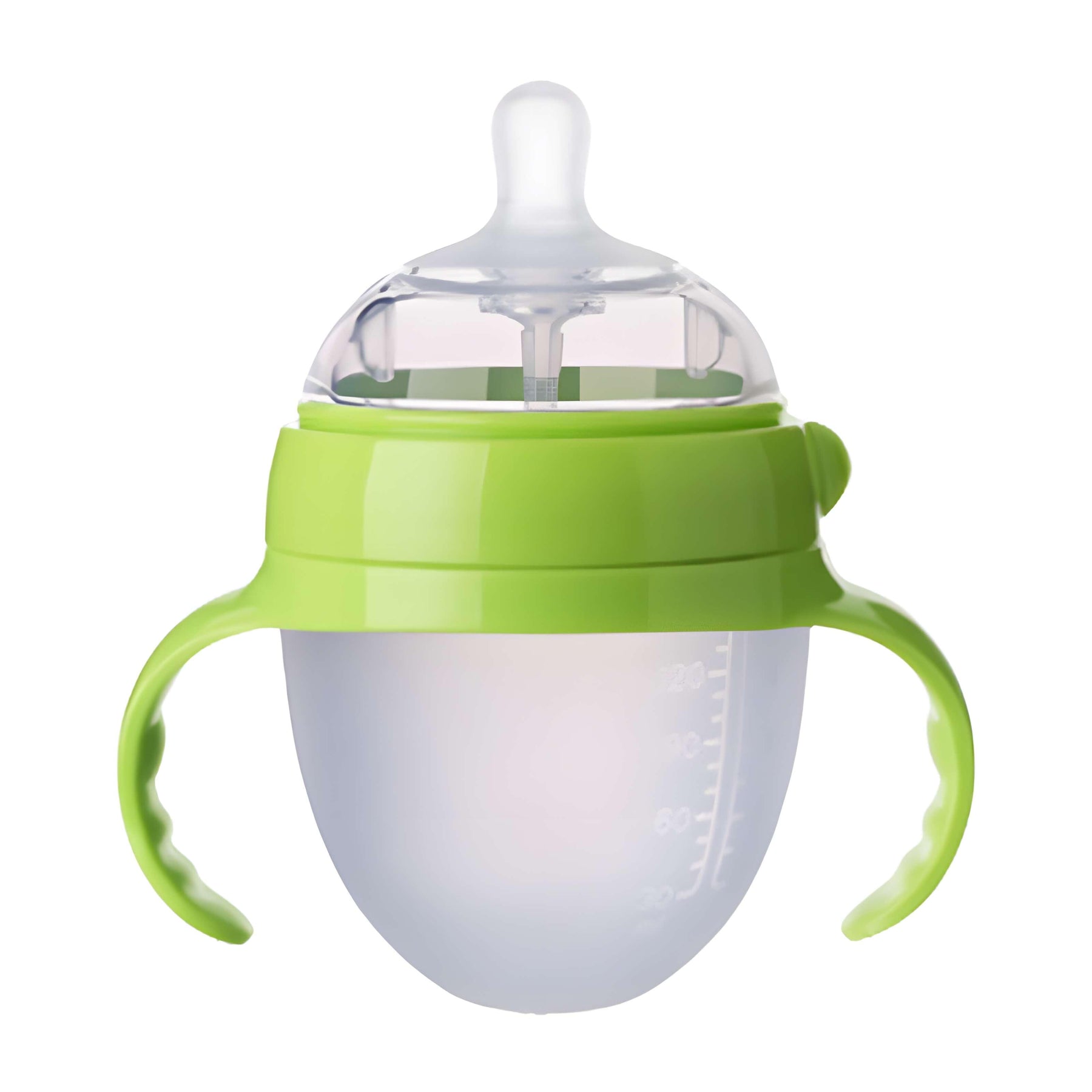
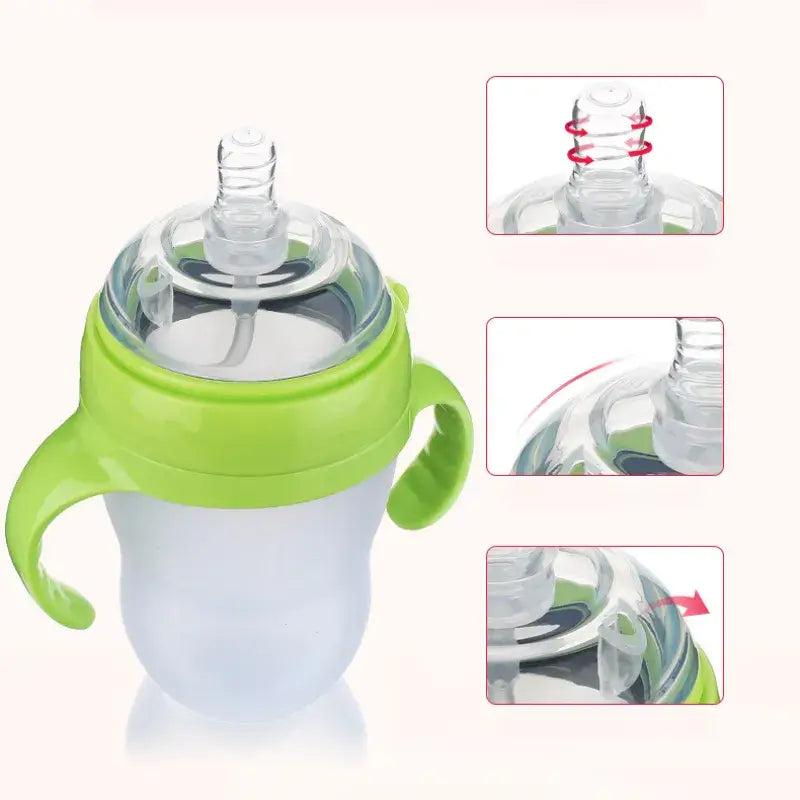
Baby Weaning Feeding Bottles. Baby Led Weaning Essentials
Safety First, Always: Say Goodbye to Choking and Reflux!
🍼 Every parent's nightmare? Choking scares. Discover our Baby Weaning Anti-Choking Feeding Bottles and turn that fear into peace of mind!
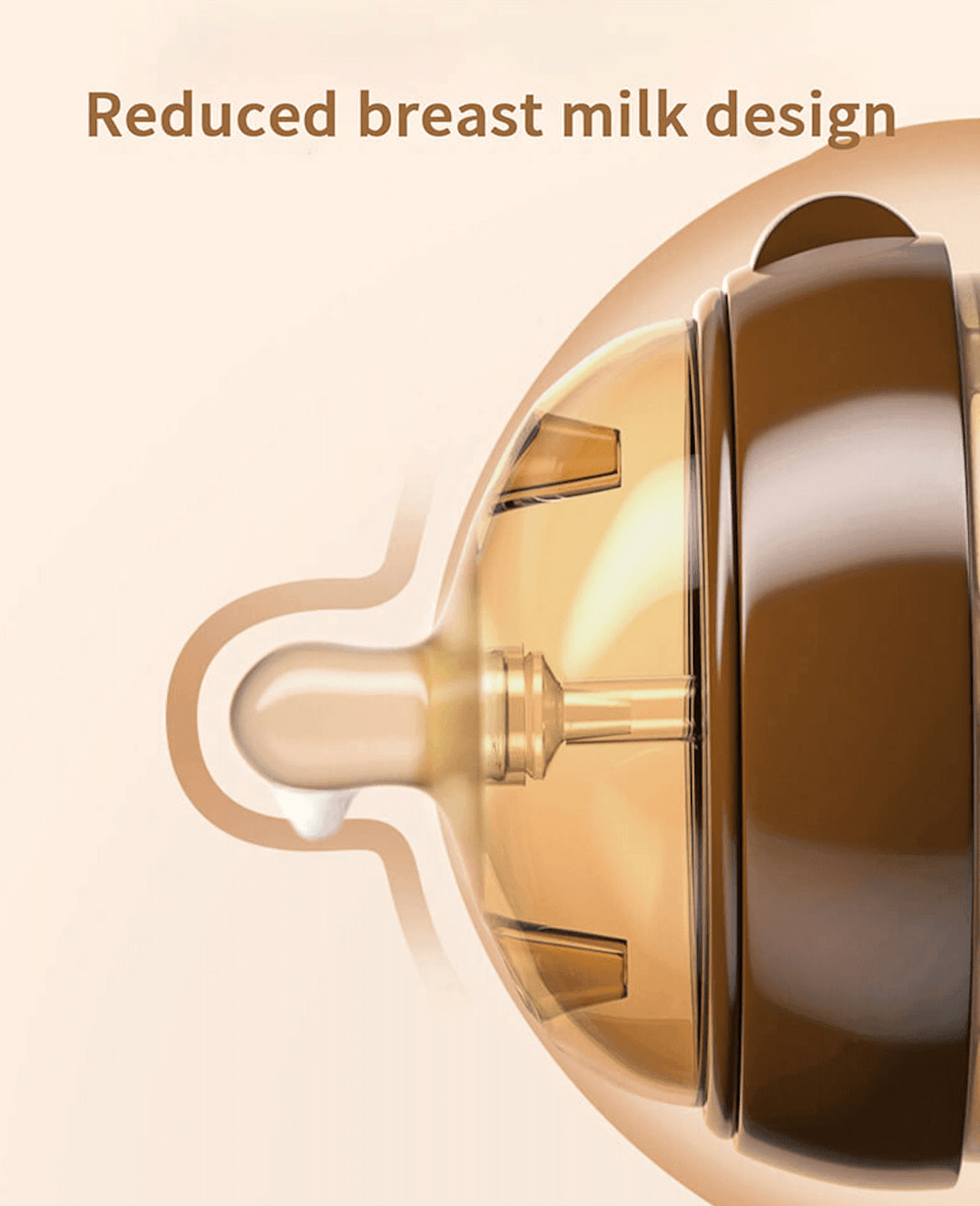
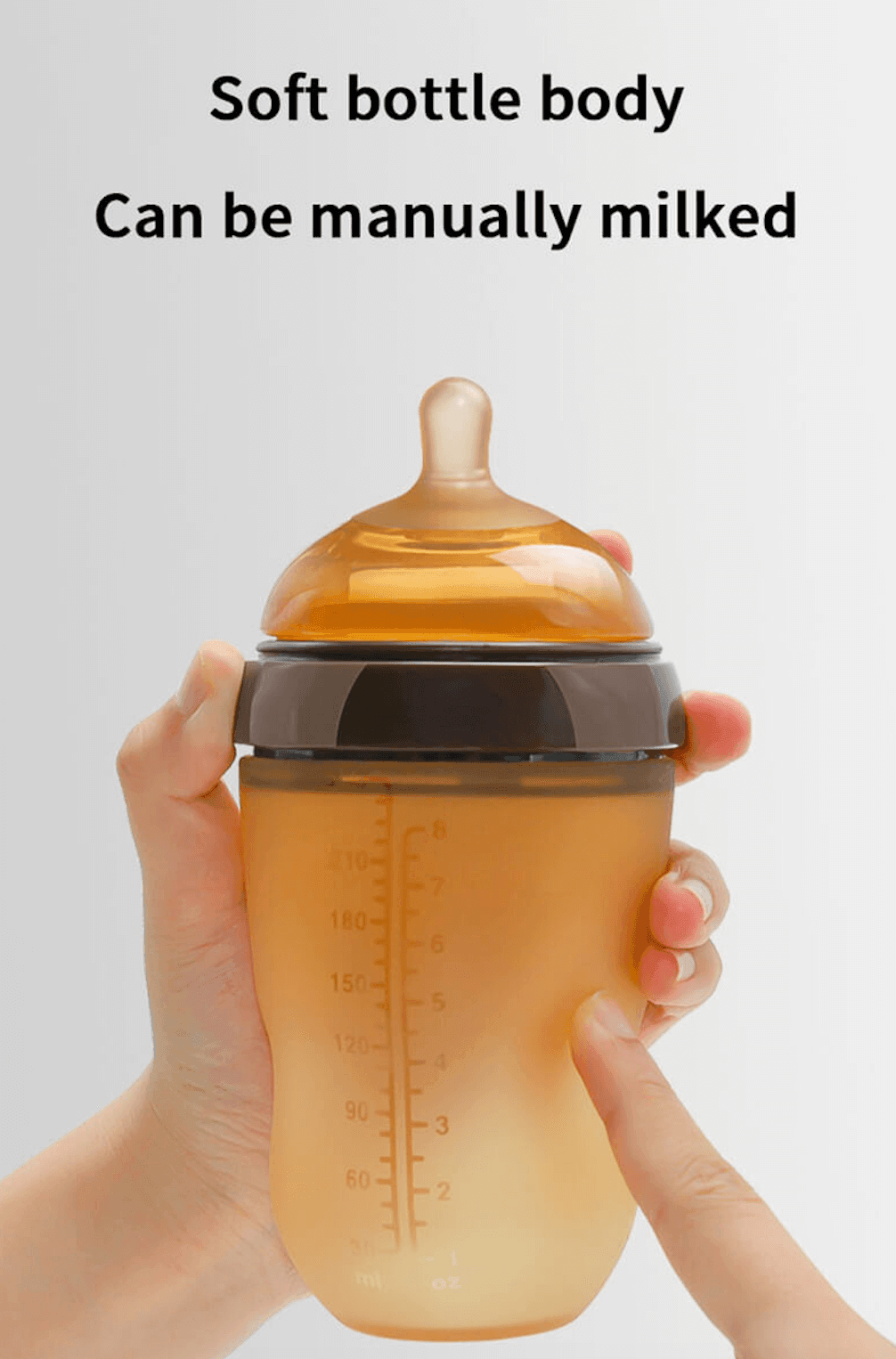
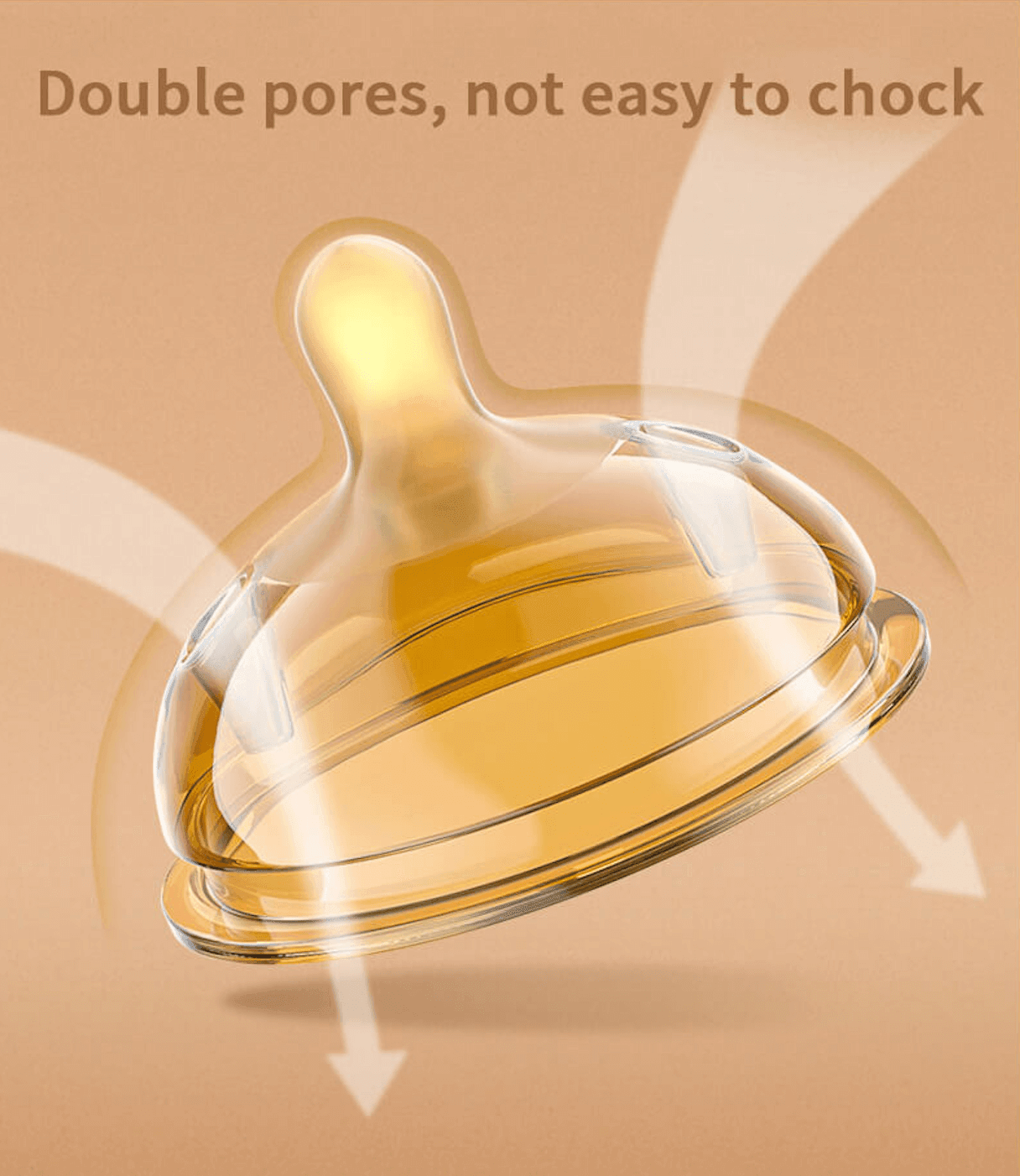
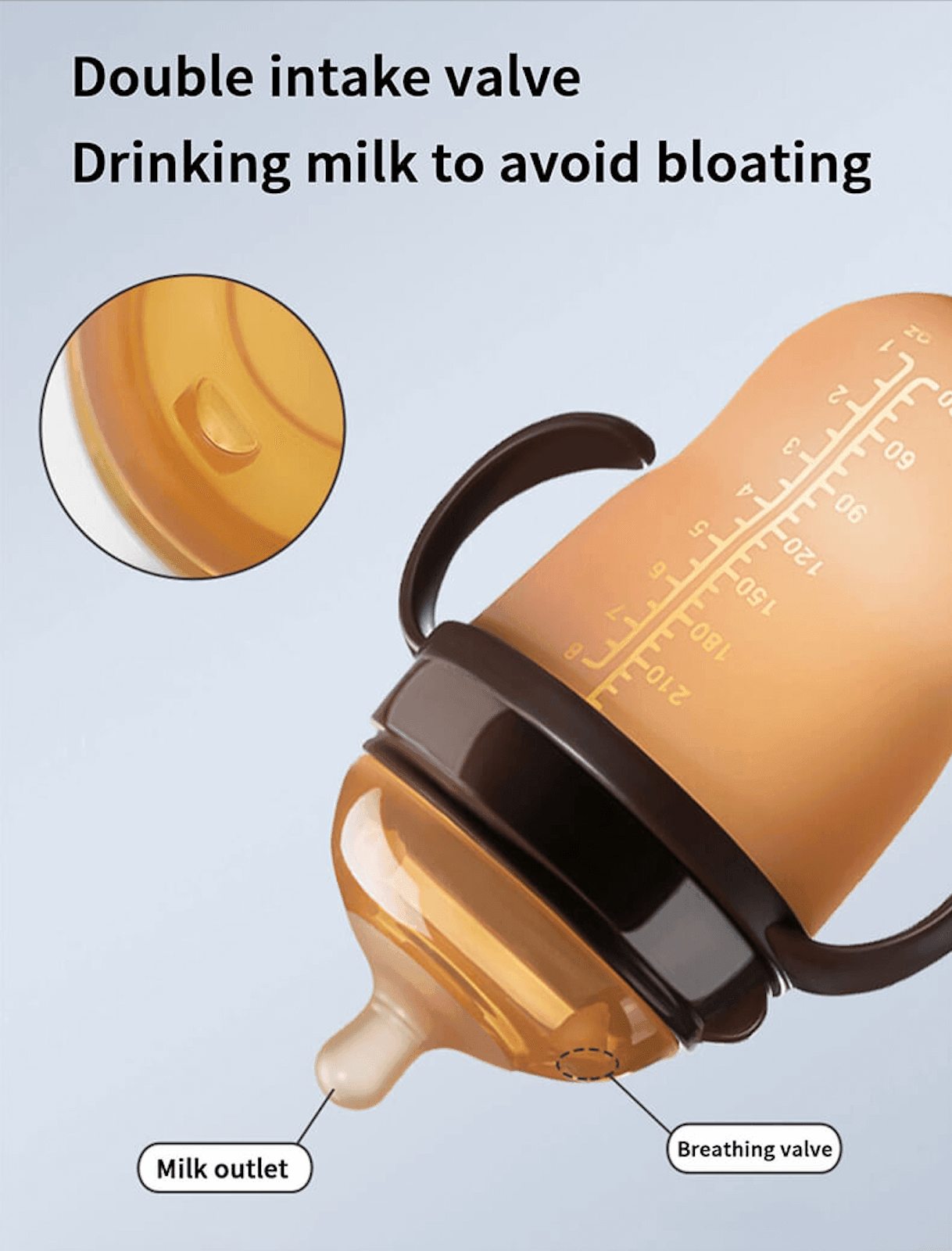
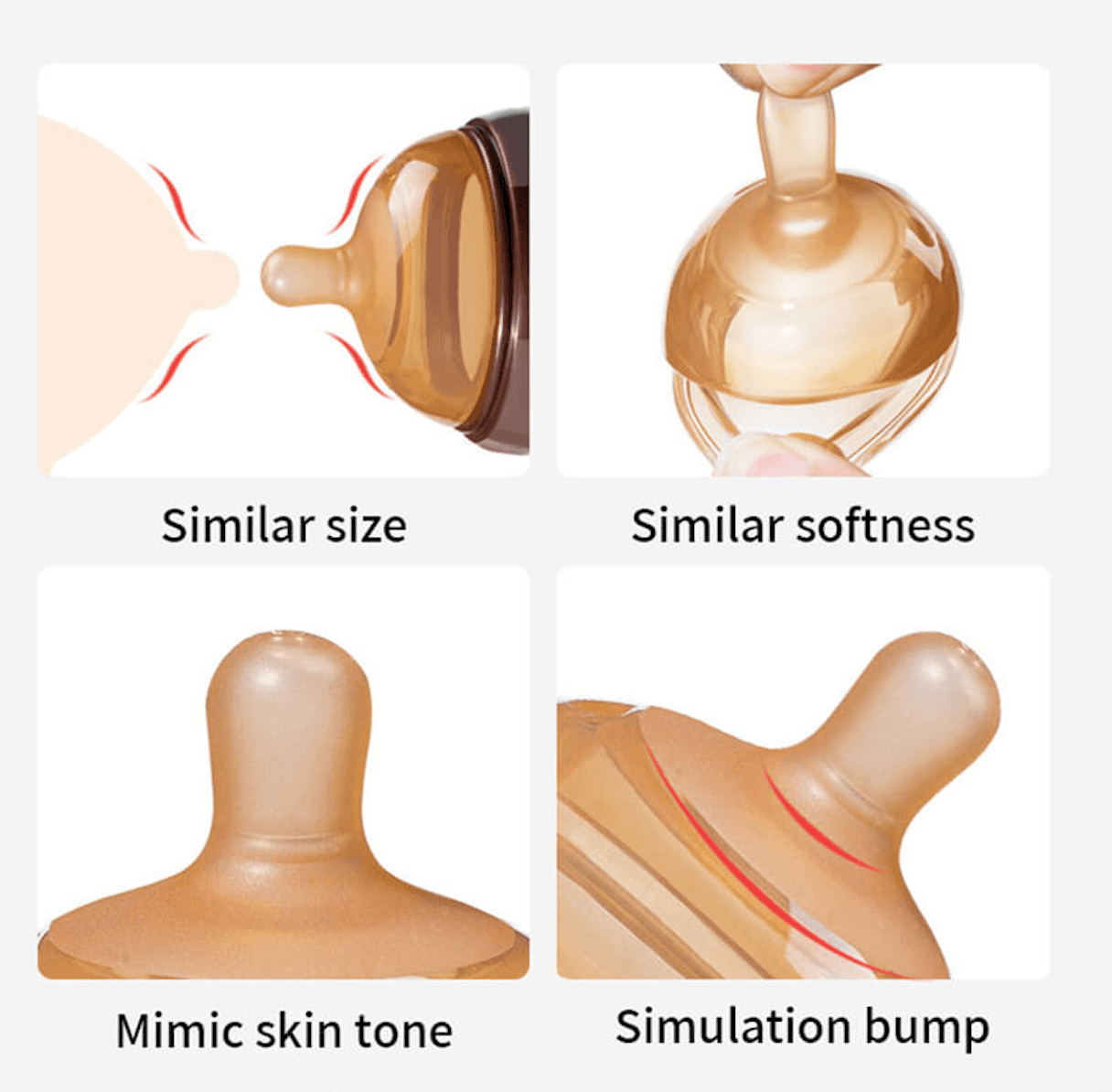
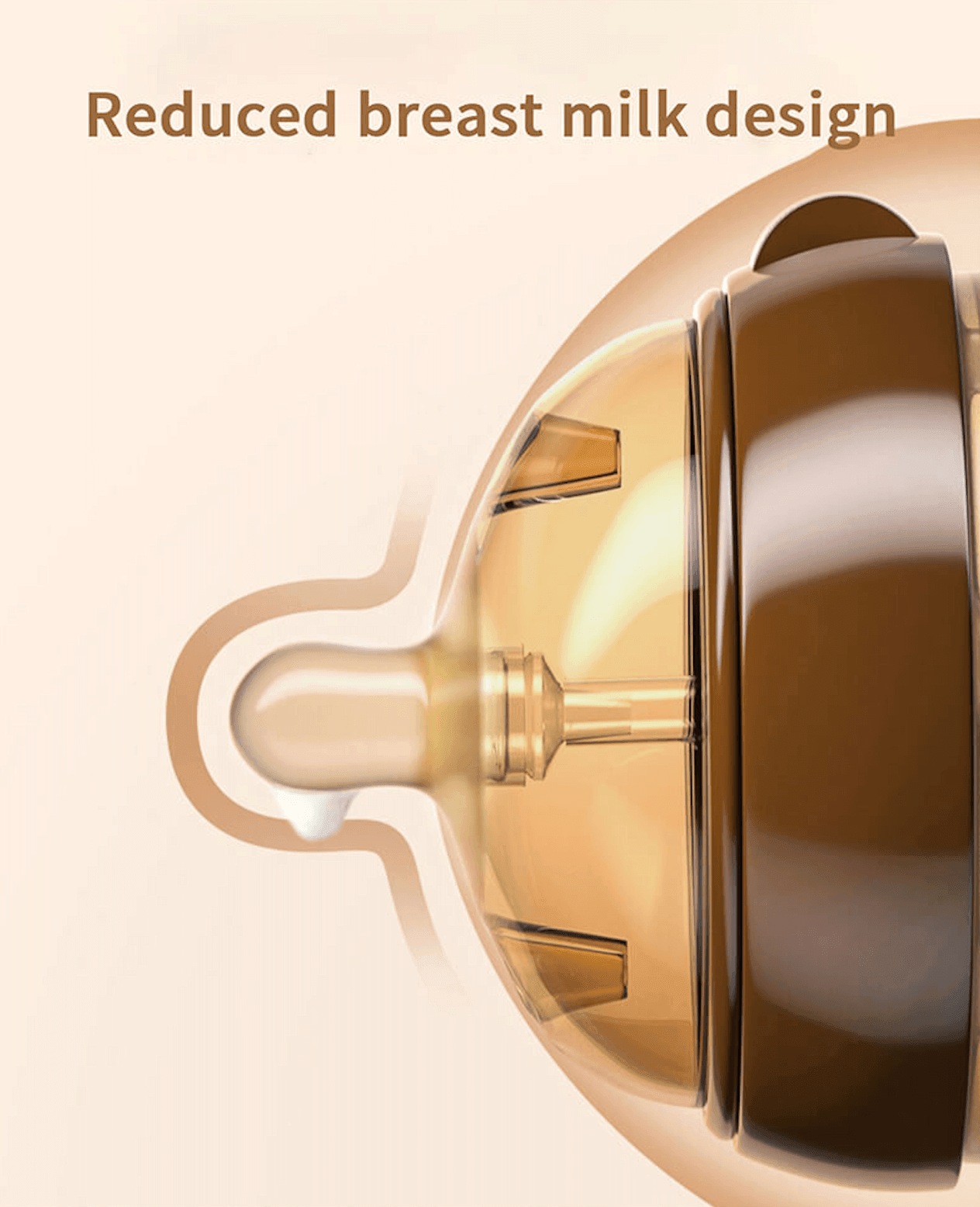
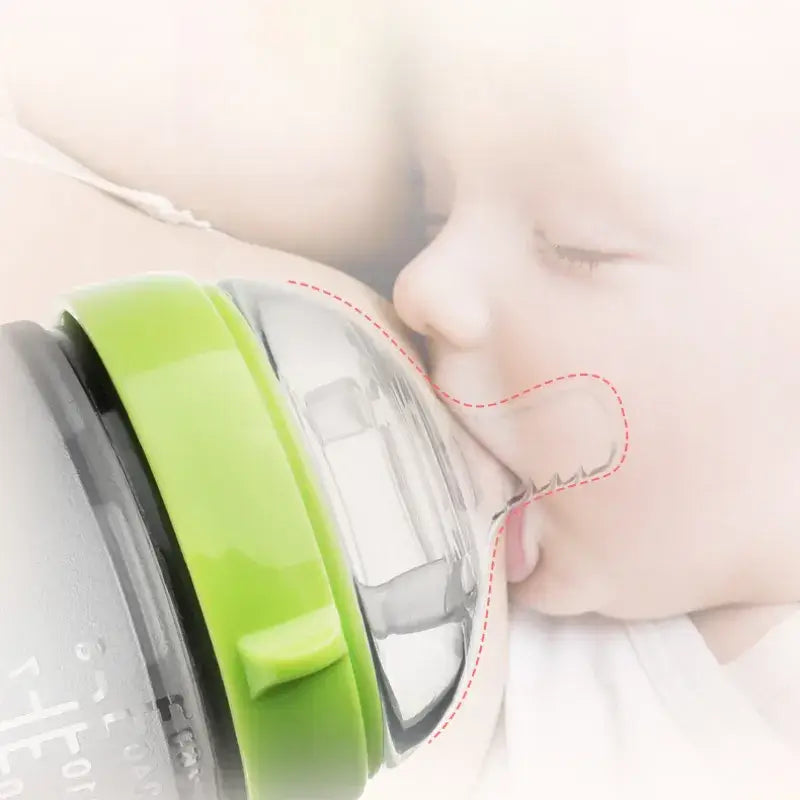
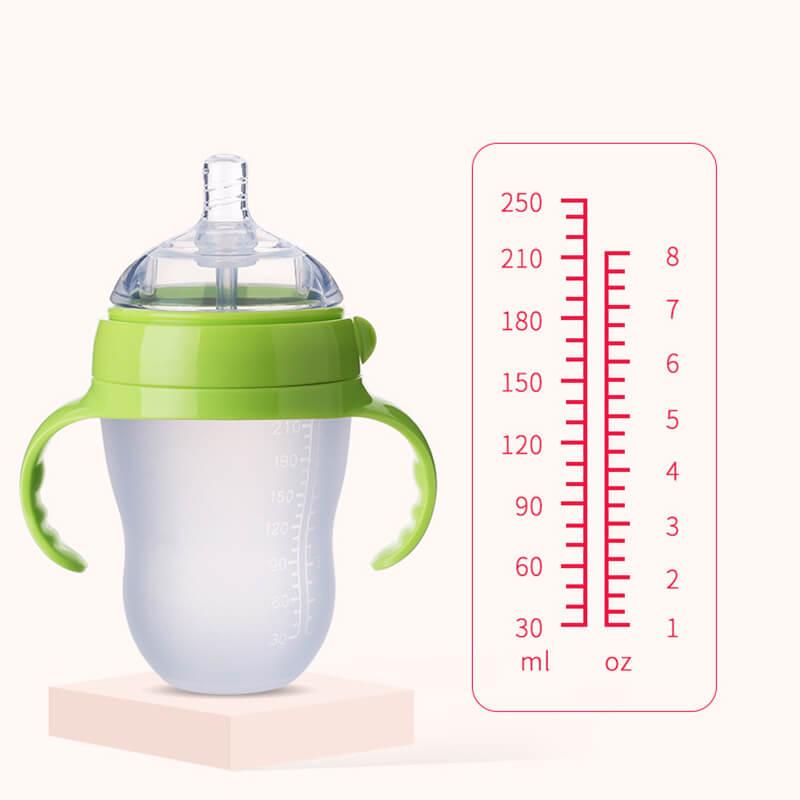
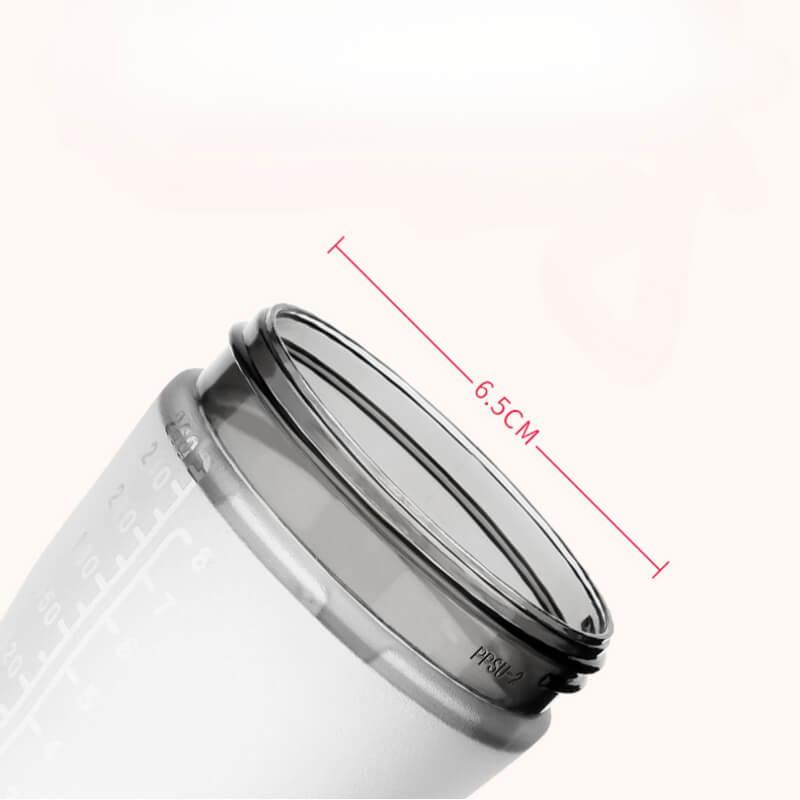
The Baby Weaning Anti-Choking Feeding Bottles is the perfect solution for parents who are worried about their baby choking or experiencing reflux. The unique design of the nipple helps to prevent air from entering your baby's stomach, which can reduce the risk of choking and reflux. The bottle also features a comfortable grip and a slow-flow nipple, which makes it easy for your baby to feed.
🍼 Why Our Feeding Bottles? 🍼
👶 Designed for Safety: Our Baby Weaning Anti-Choking Feeding Bottles design reduces the risk of choking by ensuring a controlled milk flow so your baby feeds comfortably and safely.

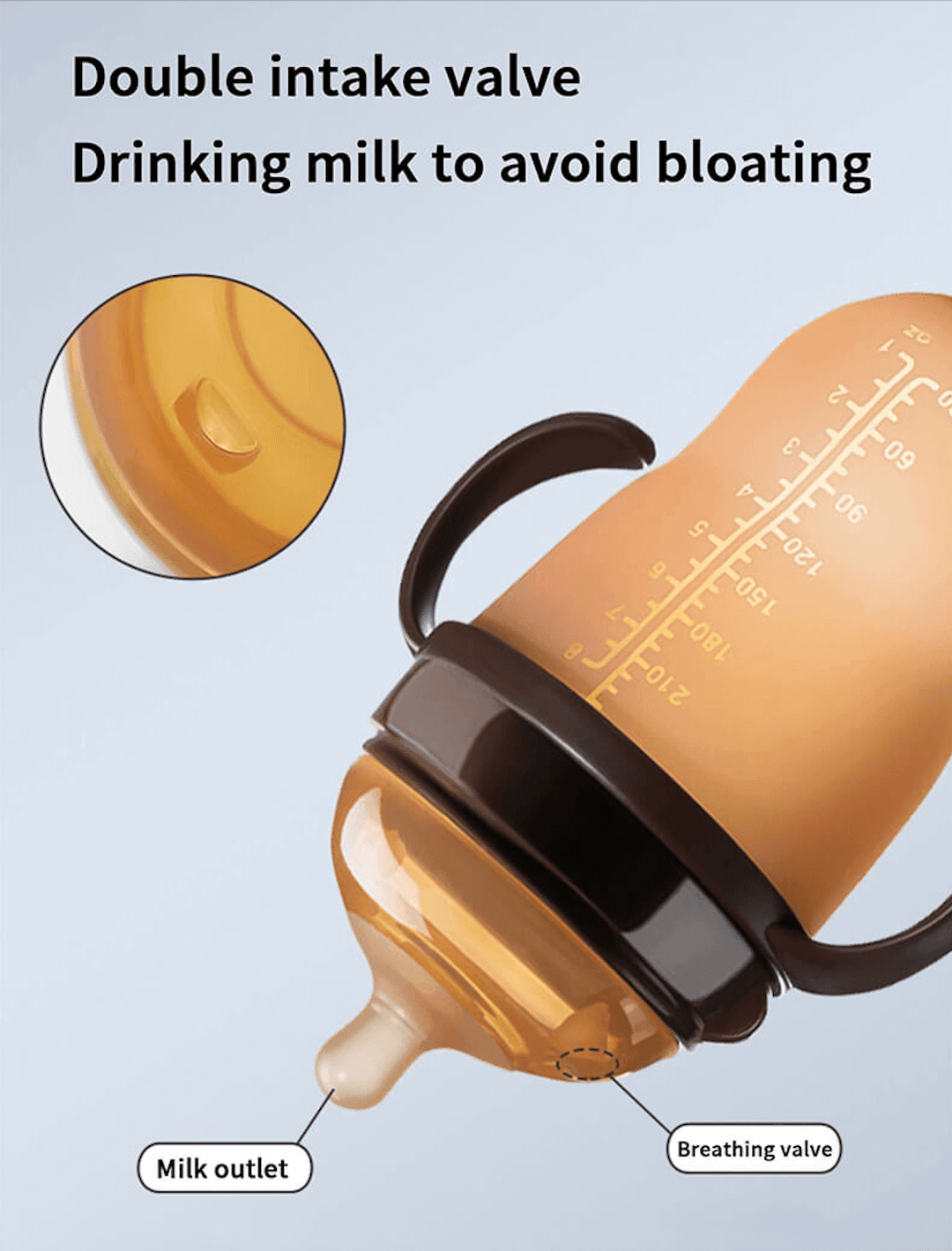
🌟 Peaceful Feeding: Watch your baby enjoy meals without gulping or gasping. Our Baby Weaning Anti-Choking Feeding Bottles allow for a natural, stress-free feeding experience through the double intake valve, which prevents bloating.


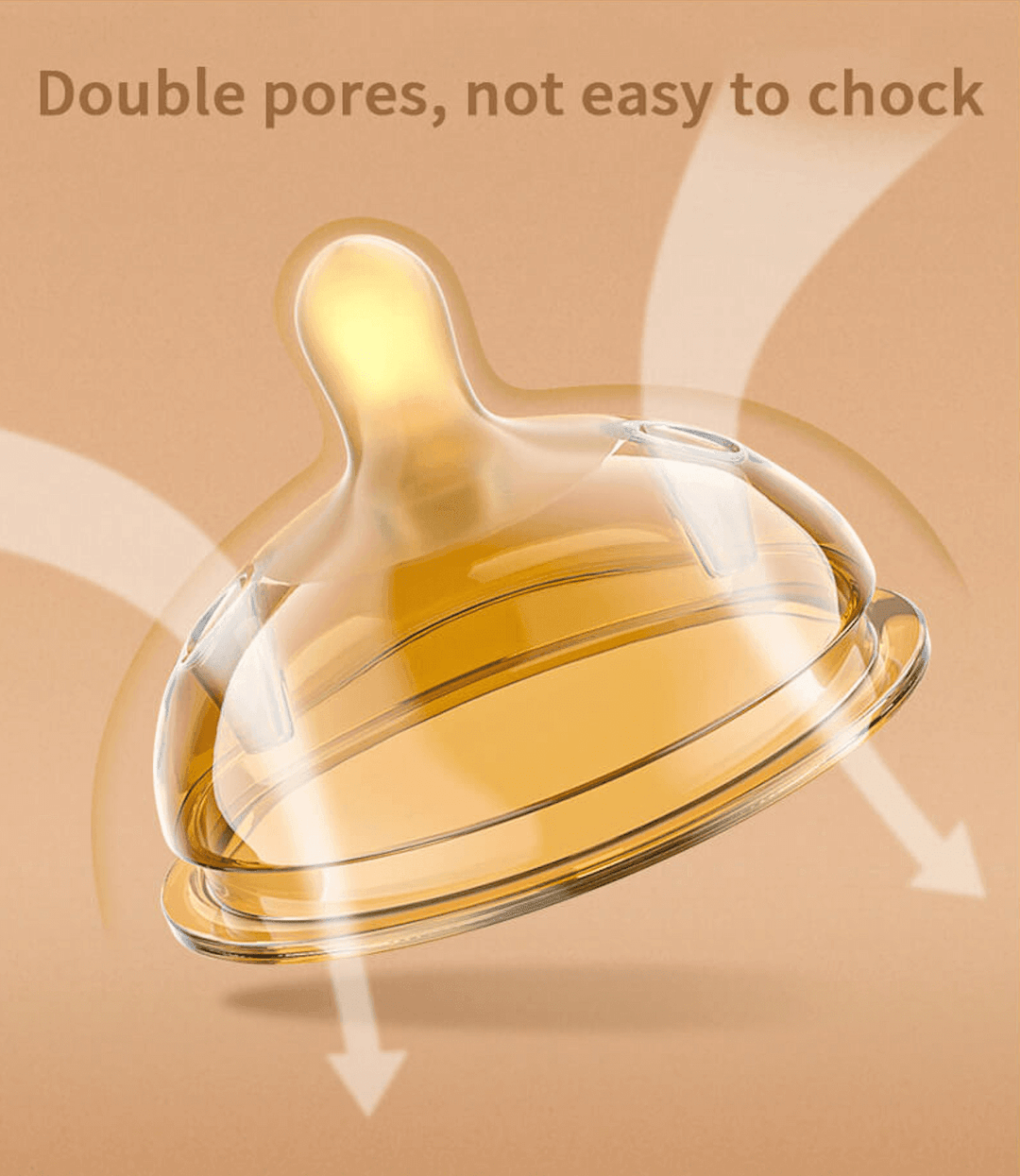
💡 Expert-Approved: Pediatricians and parents trust our bottle to prevent choking incidents via the double pores, making choking difficult and giving you confidence during every feeding.
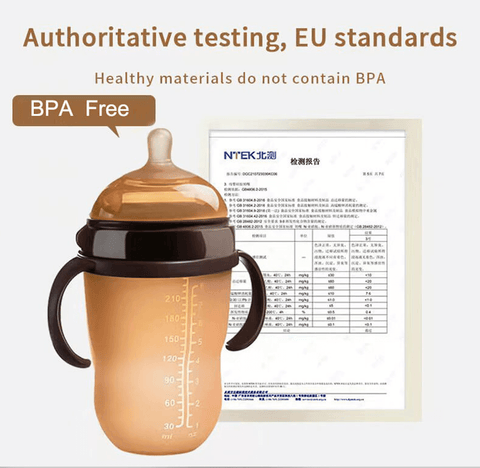
🍽️ Easy Transition: As your little one grows, our Baby Weaning Anti-Choking Feeding Bottles grow with them. It's perfect for transitioning from breast to bottle.
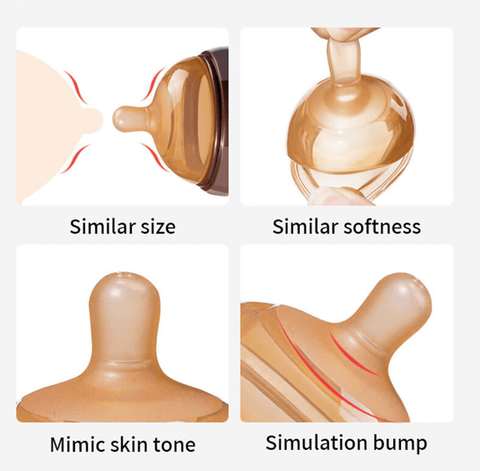
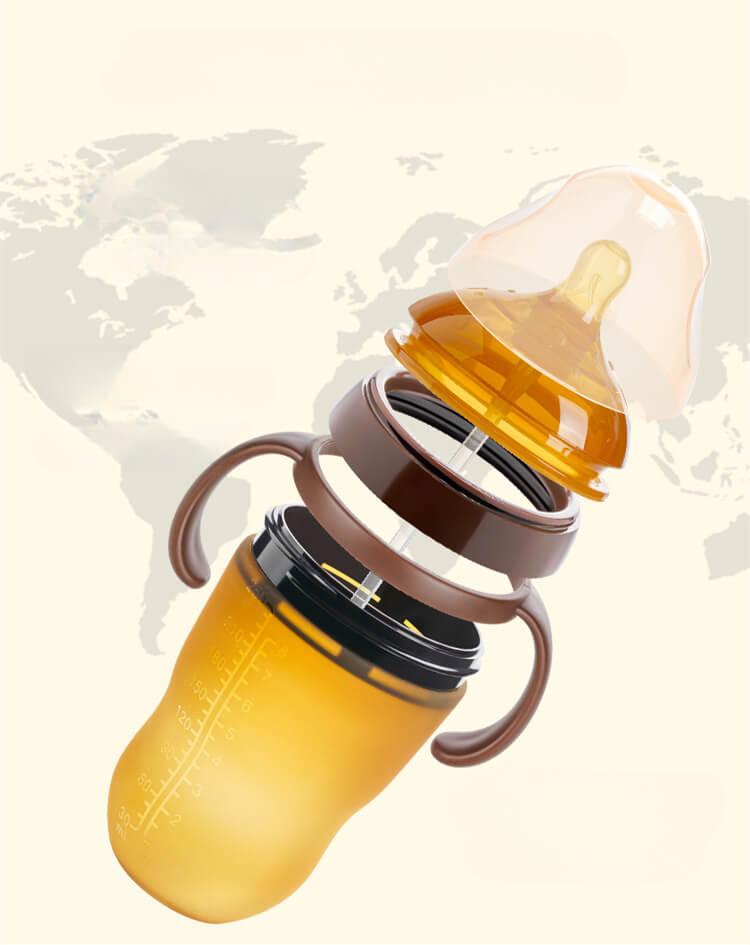
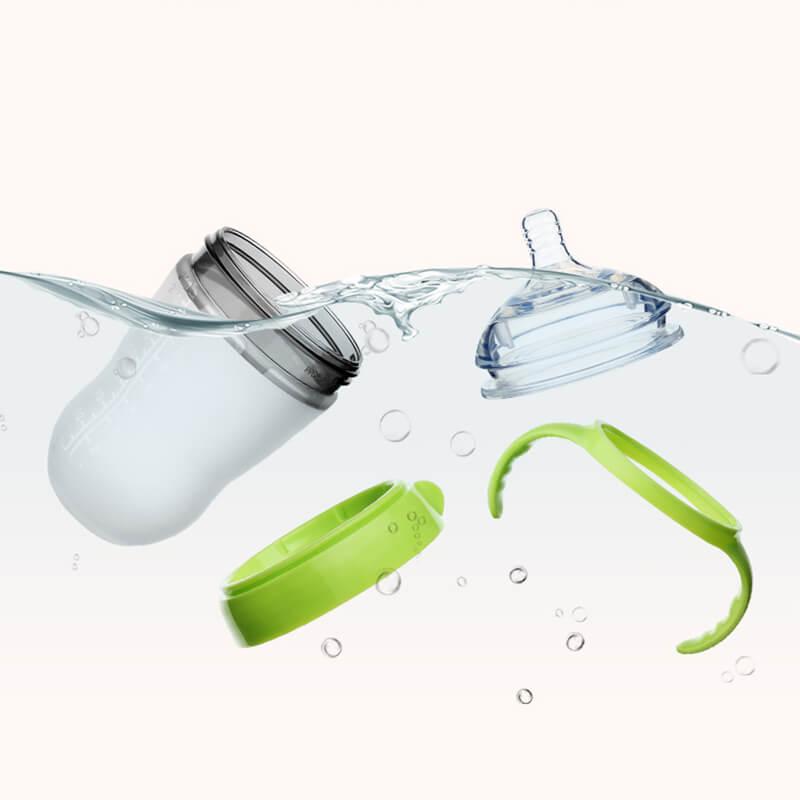
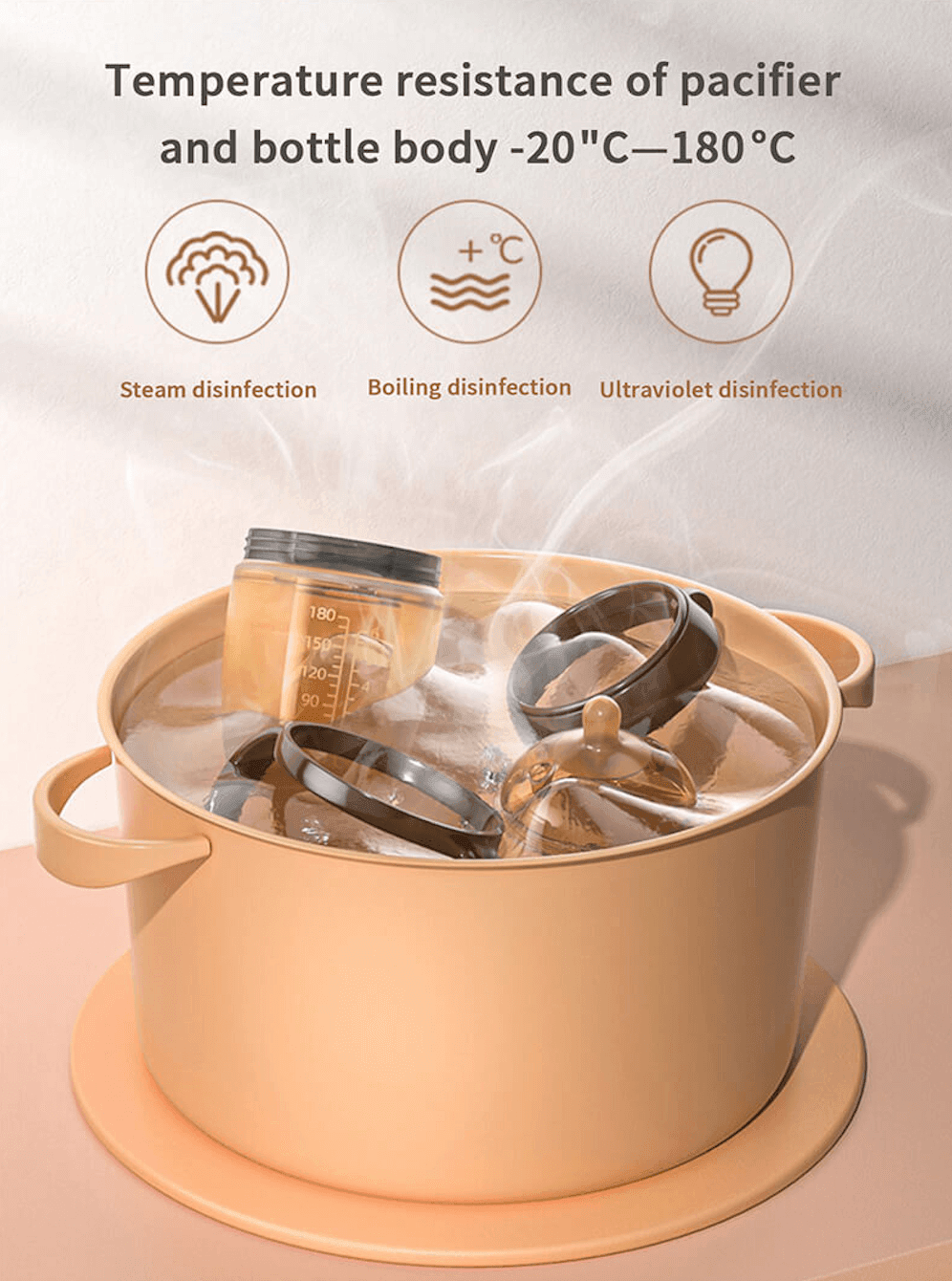
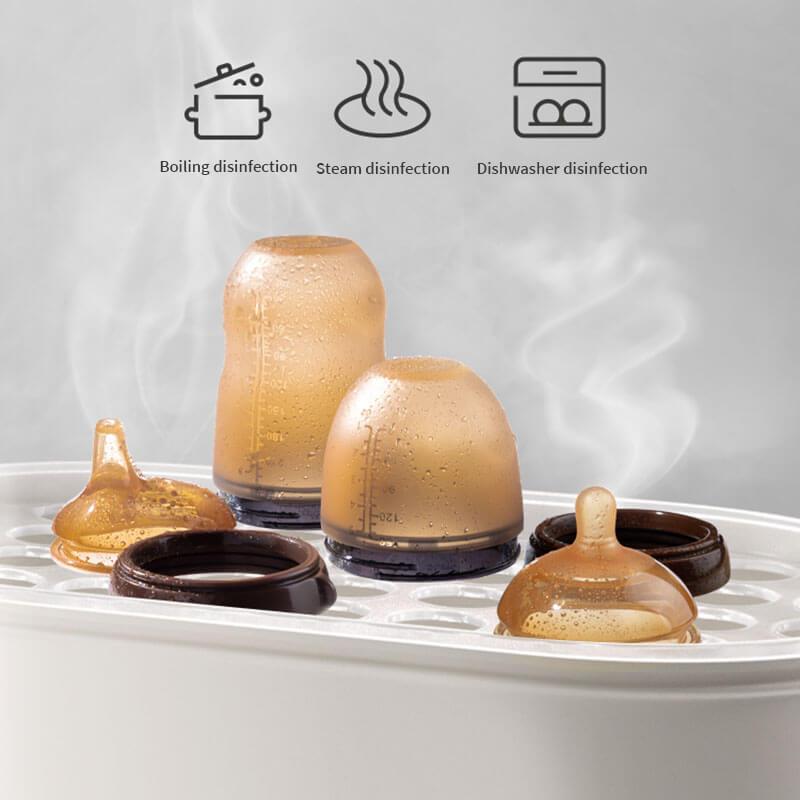
🧼 Easy to Clean: Keep things hygienic with easy-to-clean parts. Spend less time on chores and more time with your bundle of joy.

🎁 Gift of Peace: Looking for the perfect gift? Give the gift of safety and comfort with our Anti-Choking Feeding Bottle.
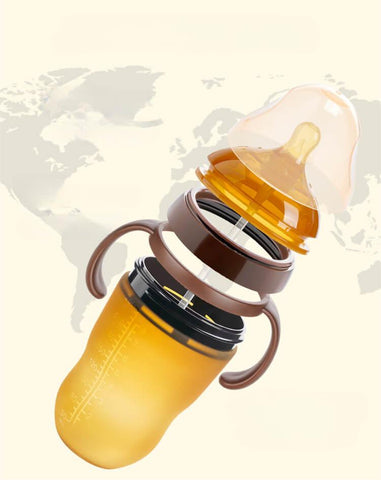
🎁 Special Offer: Elevate your feeding game and enjoy quality time with your baby. Order the Classy Baby Weaning Anti-Choking Feeding Bottles today and receive up to 15% Exclusive Discount when you sign up to our newsletter!
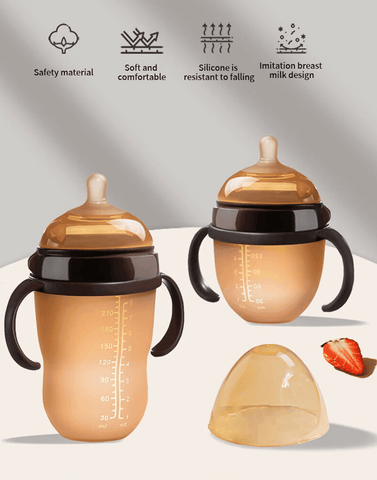
🌠 Put Safety First. Order Your Anti-Choking Nipple Feeding Bottle Today! 🌠
Give your baby the safest and most comfortable feeding experience possible! Because your baby's safety and peace of mind should always come first. 🌼👶
SLEEP TIME
View all
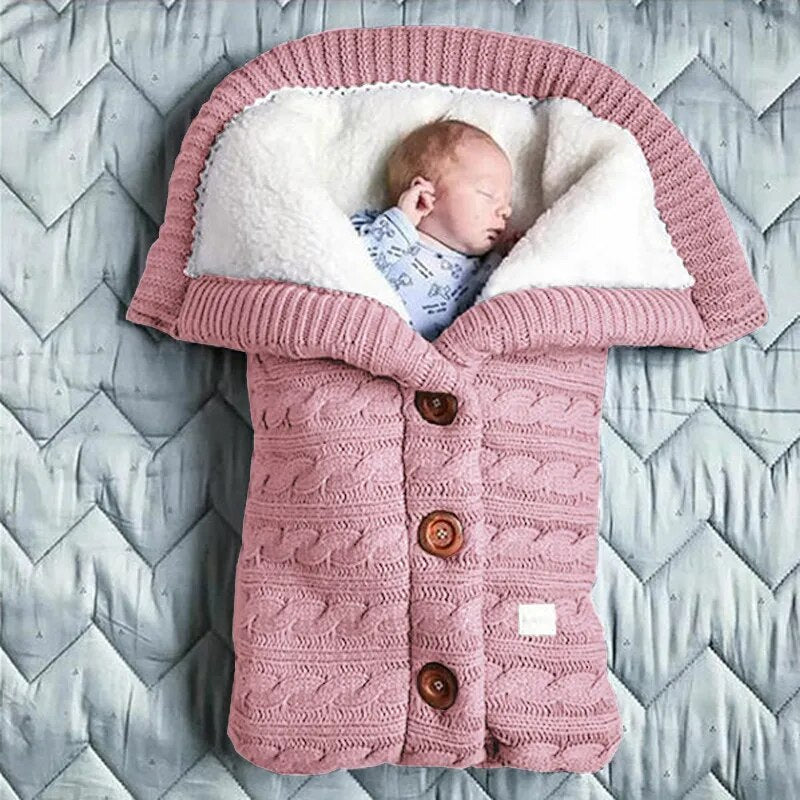

Let customers speak for us

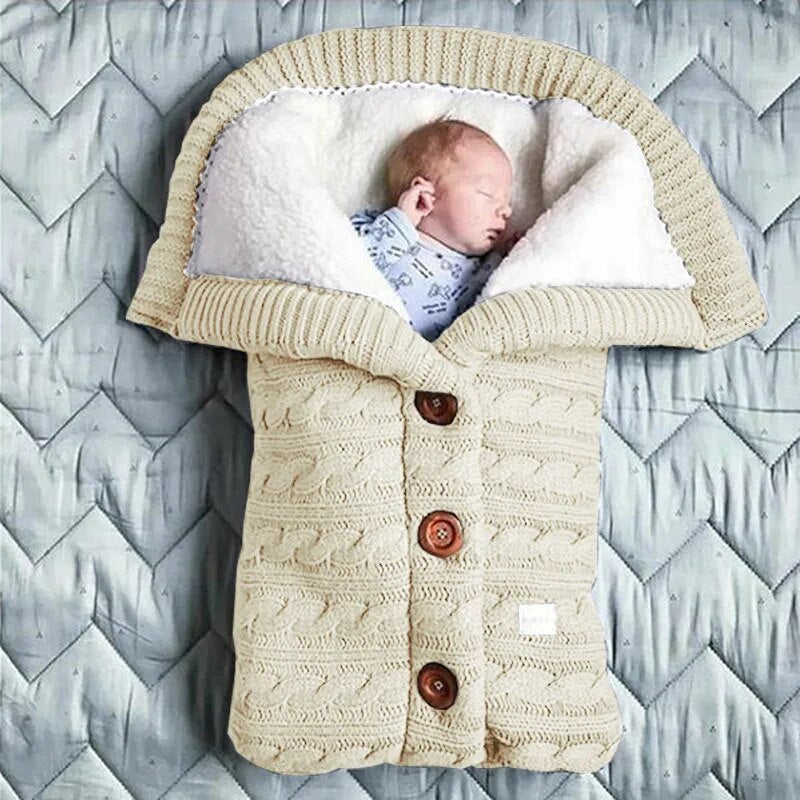
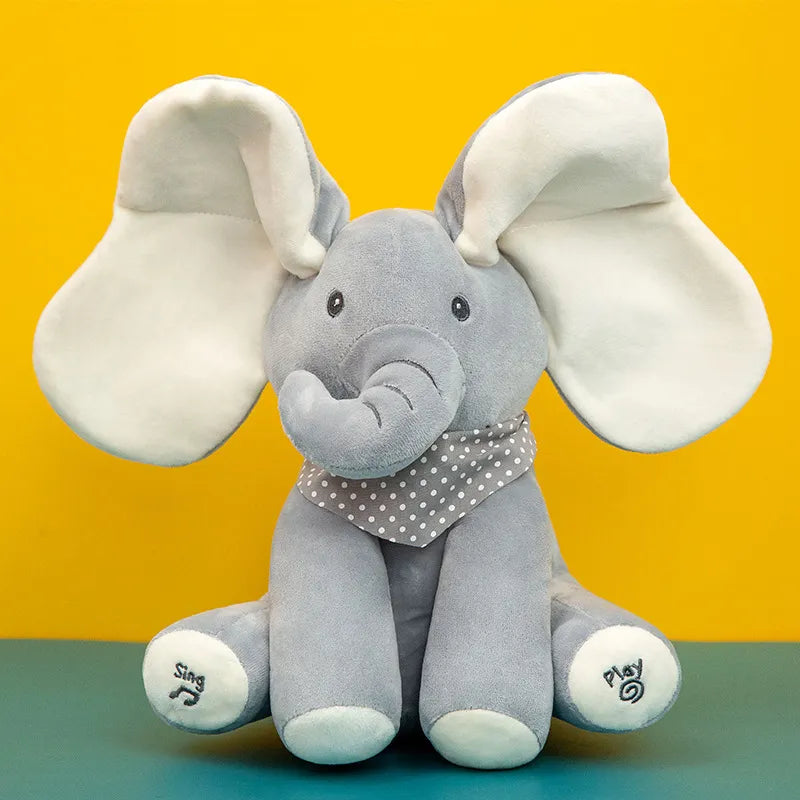
Love the colour and character design
My child will sure be looking forward to mealtime

Is exactly as described


Very good product arrived all great

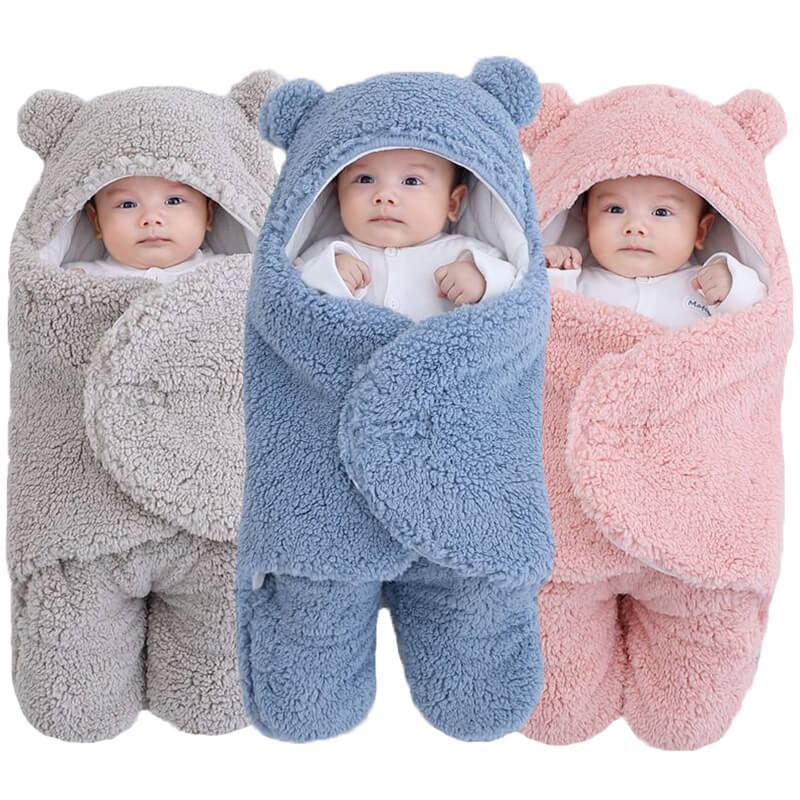
Very Nice, also for long babies

We didn't use it but first impressions are that bag is good quality and nice looking

To stop her need to spend batteries
Works also dry

Exactly as in the ad. Pretty handsome. Good workmanship. Looks great quality. Sucks well just don't know about milk because I don't have it yet. But I really liked it. Arrived with great term and came very well packed.
same like description photo & it was delivery successfully without accident, thanks to seller for fast shipping and delivery . I have try it & work perfectly for me without pain

It looks good quality meets the features that is offered so bkn happy with my purchase and I arrive super fast

Exceeded expectation, excellent product great material. Value far below what is sold here, was anciful, I sincerely loved.

Very good, a little heavy but better than manual drawing. Has good pressure to pull, it arrived a little bit thin but it didn't damage anything.

According to the description, air of good quality, to do with the use

